People Are Hooked on Costco Hearing Aids, and This Is Why
“There’s nothing that comes close to the pricing you get at Costco,” says Bailey, a doctor of audiology. “It’s an unfair position for anyone trying to practice audiology, but have I recommended to friends and family that they go to Costco for hearing aids? Yes, I have.”
(The GLP1 drugs are favorites for Dr Varipapa, improving health in so many ways!)
A large trial showed that semaglutide, sold as Ozempic for diabetes and as Wegovy for obesity, was better than any current medications in alleviating symptoms.
(Dr Varipapa suspects Mounjaro and Zepbound to have similar if not better benefit as it is even better for treatment of obesity!)
The blockbuster drug semaglutide, sold as Ozempic for diabetes and as Wegovy for weight loss, now has a new proven benefit: It markedly soothed knee pain in people who are obese and have moderate to severe osteoarthritis, according to a large study.
The effect was so pronounced that some arthritis experts not involved with the clinical trial were taken aback.
“The magnitude of the improvement is of a scope we haven’t seen before with a drug,” said Dr. Bob Carter, deputy director of the National Institute of Arthritis and Musculoskeletal and Skin Diseases. “They had an almost 50 percent reduction in their knee pain. That’s huge.”
If you can’t touch your toes without majorly bending your knees, that’s a sure sign you could benefit from doing hamstring stretches. But even if you can touch your toes easily, you should still be stretching your hamstrings every day. According to personal trainers, daily hamstring stretches are something literally everyone can benefit from. That means whether you sit all day or you live a pretty active life, you should be doing them.
Not sure where to start?
7 Hamstring Stretches to Do At Home
Just like anything else when it comes to fitness (and health, and life in general, really), when it comes to hamstring stretches, Ofori-Atta says that consistency is key; if you don’t make it a regular habit, you’re not going to benefit all that much. He recommends spending 10 minutes every day moving through some hamstring stretches.
1. Active assisted hamstring stretch
When doing this stretch, Ofori-Atta says to make sure you aren’t rounding your back. This will ensure your hamstrings are doing all the work while preventing lower back pain.
1. Start by laying flat on your back. Lift one leg up and bend the knee to 90 degrees.
2. Hold the leg that is in the air and bent at the knee. Place your hands on your hamstring, gently pulling your leg toward your body.
3. Hold for 30 seconds. Switch legs and repeat.
2. Seated one leg hamstring stretch
Ofoti-Atta likes this stretch because it’s simple and can be done anytime, like when you’re watching TV or before bed. When doing it, he says to avoid rounding your shoulders.
1. Sit on the floor and sit up straight, extending one leg out in front of you.
2. Reach toward your toes grabbing as far down your leg as you can.
3. Hold for 30 seconds to 1 minute. Then, switch legs and repeat.
3. Standing hamstring stretch (forward fold)
“This is the most simple and accessible hamstring stretch to try,” Weber says. Besides stretching the hamstrings and calves, it also helps relieve shoulder and neck tension.
1. Start standing up with your feet together. Exhale and bend at the hips.
2. Let your head hang down and reach toward the floor as far as you can.
3. Hold for 30 seconds and then slowly stand back up.
4. Seated forward bend
This hamstring stretch is essentially the sitting version of the standing hamstring stretch. “It activates the entire back and depending on flexibility levels, you can incorporate a band to help with stability,” Weber says.
1. Sit on the floor with your legs straight out in front of you. Sit up as tall as you can.
2. As you exhale, reach toward your toes. If using a band, place the band around your feet and grab each side with your hands.
3. Hold for between 30 seconds and 1 minute before gently coming out of the stretch.
5. Kneeling hamstring stretch
Ofori-Atta says this is another great “anytime” stretch; you can do it when you’re watching TV, after a workout or before bed.
1. Start in a kneeling position, with both knees on the floor.
2. Extend one leg out straight in front of you.
3. Place your hands on the thigh of the extended leg. Tilt the torso forward while keeping your back straight. Hold for 30 seconds. Then, switch legs and repeat.
6. Straight Leg Monster Walk Dynamic Stretch
About to go on a run or work out? Here’s a dynamic hamstring stretch Kraft recommends. You will need a resistance band to do this stretch.
1. Wrap a resistance band around your ankles and stand with your feet shoulder-width apart.
2. Squat down and place your hands on your hips.
3. Walk side to side for between 30 seconds and 1 minute.
7. Dynamic Hip Hinge
“This is one of my favorite hamstring stretches because it’s done wonders for my tight hips and hamstrings,” Kraft says, adding that he believes it’s improved his running times. He recommends doing it before running, lifting or any other athletic activity.
1. Start on your knees. Bring one leg straight out to the side, keeping the foot on the floor. Your back should be straight.
2. Hinge at the hip, keeping the chest up. Hold for five seconds. Then, come back to the starting position.
3. Repeat for between 30 seconds and 1 minute. Then, switch legs.
Other Ways To Relieve Hamstring Tightness
While all three trainers say that regular hamstring stretching is non-negotiable, there are other ways to relieve tightness. Ofori-Atta and Kraft are both big fans of foam rolling balls, placing it right under the hamstring and gently moving it around. “You should feel it, but it shouldn’t feel painful,” Ofori-Atta says.
Have you ever found yourself abruptly awake in the middle of the night, wondering why sleep eludes you? You’re not alone. Midnight awakenings are a common phenomenon that can disrupt our sleep patterns and leave us feeling fatigued the next day. But what causes these interruptions, and how can we tackle them effectively?
People wake up at night for various reasons. Some of the common ones include:
stress and anxiety
discomfort or pain
need to use the bathroom
environment disruptions such as noise, movement, feeling too hot or too cold
sleep disorders such as sleep apnea or restless leg syndrome
disruption of the body’s natural sleep-wake cycle
A Strategy for Returning to Sleep
Avoid time-reading: When you wake up in the middle of the night, avoid reaching for your phone or looking at the clock.
Stay in bed and relax: First see if you can fall back asleep. You can try techniques like progressive relaxation, breathing exercises, white noise machines, and other methods that may help you relax.
Get out of bed: If you can’t fall back asleep after an estimated 10-15 minutes, it’s time to get up. This is to disassociate the bed with activities other than sleep.
Low-Stimulation Activities: Engage in a quiet, low-stimulation activity such as reading a book or doing a calming activity until you feel sleepy again, then return to bed. If you don’t feel sleepy enough to go back to bed, just get up and start your day.
There’s growing evidence that GLP-1 drugs, which include Ozempic, Mounjaro (Dr Varipapa’s favorite), Zepbound and Wegovy, may benefit the brain.
Semaglutide, the active ingredient in Ozempic and Wegovy, appeared to reduce the risk of Alzheimer’s disease in people with Type 2 diabetes, according to a study published Thursday in the journal Alzheimer’s & Dementia.
The study adds to evidence that GLP-1 drugs — the class of medications that also includes Mounjaro and Zepbound — may benefit the brain.
A quick shake of the head after a hard hit could signal that a person has a concussion, a new study suggests, based on the experiences of young athletes.
It’s an easily recognizable movement that could help significantly reduce the number of concussions that go undiagnosed if added to official evaluation guidelines, according to researchers from Mass General Brigham and the Concussion Legacy Foundation.
“We describe it in detail as a time that after a hit to the head, someone laterally shakes their head at a speed between two and eight Hertz. But that’s complicated medical terminology for something we’ve all seen,” said Dr. Dan Daneshvar, a study co-author and co-chair of sports concussion at Mass General Brigham.
Cartoons often depict a circle of birds that fly away after the character shakes their head, for example.
“There’s such a strong lay understanding of this being associated with concussions,” he said, but it’s not included in guidelines or medical literature.
A non-deceptive placebo injection reduced chronic back pain with effect size similar to typical treatments.
Secondary outcome benefits and brain changes lasted up to 1 year.
A single saline injection, openly prescribed as a placebo, yielded approximately 1 month of chronic back pain improvement, along with longer-term benefits in depression and sleep, according to data published in JAMA Network Open.
“We have known that placebos can be powerful pain relievers, but it has been unclear how to use them ethically, without patient deception,” Yoni K. Ashar, PhD, assistant professor at the University of Colorado Anschutz Medical Campus, told Healio. “This spurred the development of the ‘open label,’ non-deceptive placebo treatment, which we studied here.”
PS: Not available yet but assume soon (for lots of money!)
Vyalev (foscarbidopa and foslevodopa; AbbVie, North Chicago, IL) has been granted Food and Drug Administration (FDA) approval for the treatment of motor fluctuations in adults with advanced Parkinson disease (PD). Vyalev is the first subcutaneous 24-hour continuous infusion of levodopa-based therapy to receive FDA approval for the treatment of motor fluctuations in this population. Treatment with Vyalev is initiated in a health care provider office, and the medication is delivered by a wearable pump for up to 24 hours per day. This method of administration enables patients to manage treatment at home without traveling to receive their infusion.
Delaware Department of Insurance Medicare Assistance Bureau
As Medicare Open Enrollment approaches, the Delaware Department of Insurance and its Medicare Assistance Bureau (DMAB) are sharing their annual consumer information update. From October 15 to December 7, consumers can join, switch, or drop a Medicare Prescription Drug Plan (Part D) or Medicare Advantage Plan. DMAB’s free, confidential, unbiased one-on-one assistance can help residents determine if making a coverage change is the right choice. In 2023, the team completed 5,207 counseling sessions, saving beneficiaries a combined $3.8 million.
When selecting 2025 coverage, there are important new options and changes to keep in mind. The Medicare Prescription Payment Plan is a new payment option that works with a beneficiary’s current drug coverage to help manage out of-pocket Medicare Part D drug costs by spreading them across the calendar year. Starting in 2025, anyone with a Medicare drug plan or Medicare health plan with drug coverage (like a Medicare Advantage Plan with drug coverage) can voluntarily use this payment option. If this payment option is selected, consumers will continue to pay their plan premium (if they have one) each month and will get a bill from the health or drug plan to pay for the prescription drugs instead of paying the pharmacy. There’s no cost to participate in the Medicare Prescription Payment Plan.
Additionally, in 2025 Part D enrollees’ out-of-pocket drug costs will be capped at $2,000. This amount will be indexed to rise each year after 2025 at the rate of growth in per capita Part D costs.
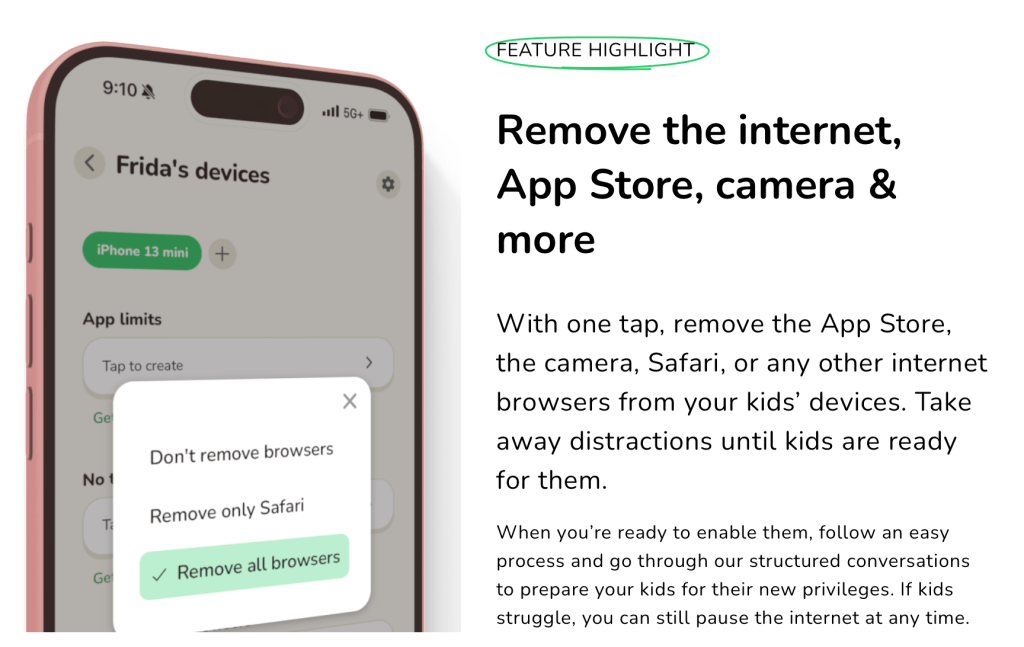
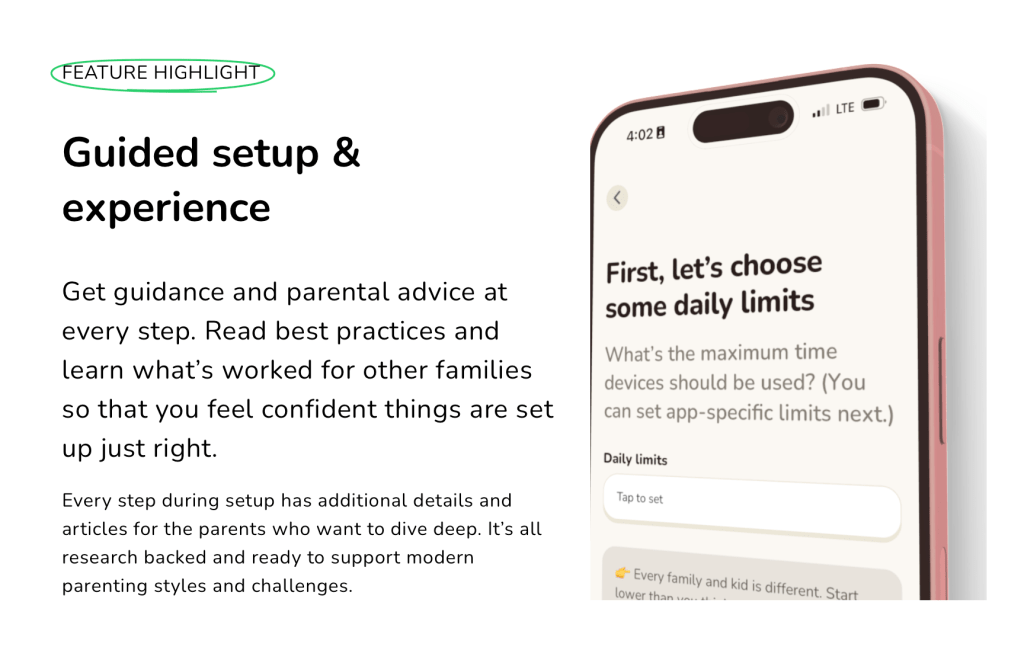
Screenable turns any iPhone or iPad into a starter phone that removes distractions, keeps you in the loop, and grows with your kid. Built for busy, modern parents.
Parenting has changed. Parental controls haven’t.
In the more than 30 years they’ve been around, parental controls have been blocking kids from doing things in apps and on devices. But they’re not working anymore – for parents or kids. And that’s a problem.


 CNMRI is Closed for Business