Tag Archives: Stroke

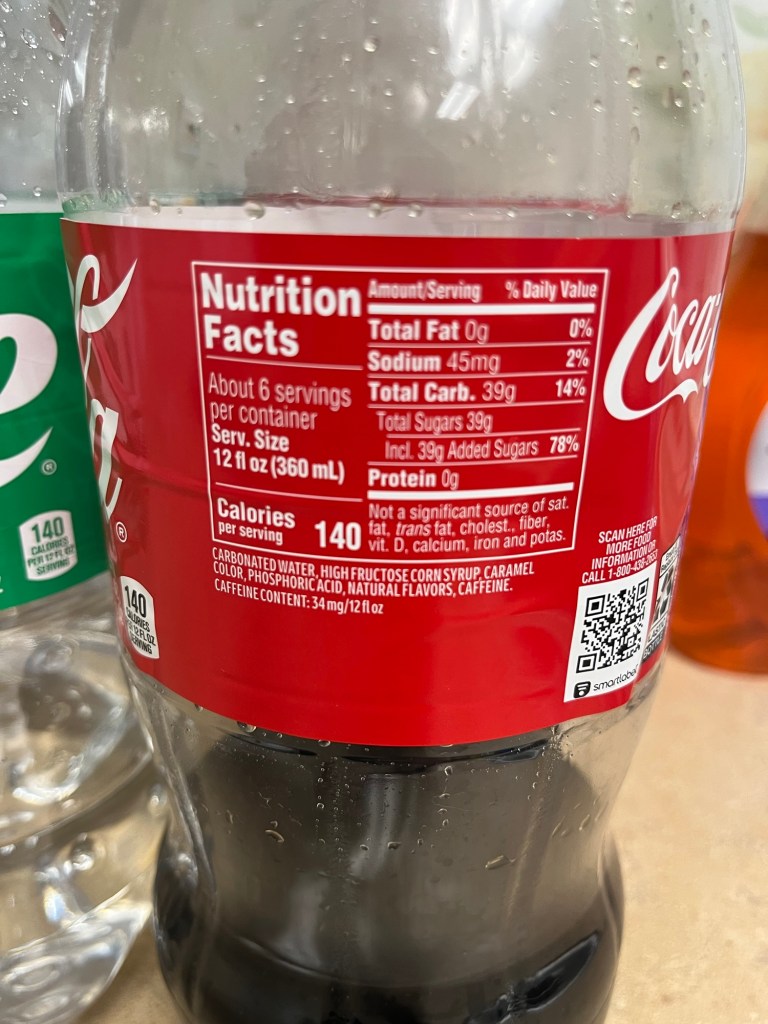
High Fructose Corn Syrup is Killing Us

Your favorite beverage may be doing serious damage to your health.

Sugar-sweetened beverages may increase your risk for heart disease and type 2 diabetes, new research finds.

Sugary drinks were found to be linked to over 330,000 deaths a year.

A study published in Nature Medicine analyzed global data on sugar-sweetened beverages (SSBs) consumed around the world from both observational and randomized studies, as well as diabetes and cardiovascular disease prevalence.

On a global level, researchers found that 2.2 million new cases of type 2 diabetes and 1.2 million new cases of heart disease in 2020 were attributable to SSBs—representing about 1 in 10 new type 2 diabetes cases and 1 in 30 new heart disease cases.

https://www.prevention.com/health/a63375234/sugary-drinks-linked-to-death/

Here’s what actually causes high cholesterol (and how to cut it)

Which foods should we point the finger at? Due to their saturated fat content, foods such as tropical oils (palm or coconut oil), baked goods, sweets and foods that have been fried all contribute to an increase of ‘bad’ cholesterol.


Processed meats – think sausages, bacon and hot dogs – also contain a high amount of saturated fat. According to one review involving 614,000 participants, each additional 50g (1.8oz) serving of processed meat per day is linked to a 42 per cent higher chance of heart disease.

Then there’s sugar. It also acts like a drug on your liver, encouraging it to produce more LDLs and fewer HDLs. A 15-year study found that participants who took in 25 per cent or more of their daily calories in sugar were more than twice as likely to die from heart disease, with cholesterol playing a key role.

https://apple.news/AXMuD4ku0QmqJpqmMtMI1qw

What Ozempic Really Does to Your Brain

Mounjaro just approved for Sleep Apnea

“IF YOU TAKE a GLP-1 agonist like Ozempic or Zepbound, you can see changes to your waistline and your blood sugar within weeks. What might be less obvious is how the drug is affecting your brain. Research suggests these popular weight-loss medications can influence everything from daily behavior to risk of age-related memory loss, and neuroscientists are working overtime to discover exactly how these drugs affect the brain.


“It is a hot topic,” says Kevin Williams, Ph.D., a neuroscientist at the University of Texas Medical Branch. “If you can understand how these drugs are accessing the brain and where they are acting, then potentially that could guide future drug development to be able to better target these regions.”

https://www.menshealth.com/health/a63249412/what-ozempic-does-to-your-brain/

Why do obesity drugs seem to treat so many other ailments?

“Curbing addiction isn’t the only potential extra benefit of GLP-1 drugs.

Mounjaro Zepbound Ozempic Wegovy

Other studies have suggested they can reduce the risk of death, strokes and heart attacks for people with cardiovascular disease or chronic kidney ailments, ease sleep apnea symptoms and even slow the development of Parkinson’s disease. There are now hundreds of clinical trials testing the drugs for these conditions and others as varied as fatty liver disease, Alzheimer’s disease, cognitive dysfunction and HIV complications.”

https://www.nature.com/articles/d41586-024-03074-1

Millions are Taking a Drug that Falls Short of its Promise to Lower Risk of HeartAttack

“For the past century, heart disease has remained the leading cause of death in the United States. Fortunately, as our understanding of the disease has evolved over time, we have made advances in treatment options to help people reduce their risk for a devastating cardiovascular event, like a heart attack or stroke. 

But staying one step ahead of this disease requires both providers and patients to continually follow and implement the latest science and regulatory guidance on what treatment options are safe, effective, and FDA-approved. Sadly, this isn’t happening and misinformation about treatment options poses a significant public health concern, which the FDA has acknowledged and in July issued new guidance on how companies can combat it.”

DMV Reporting Laws Update

Delaware finally amended its DMV reporting laws to no longer require mandatory reporting of patients with seizures, loss of consciousness or other medical conditions.

Physicians should continue to use their medical judgment when dealing with patients with potentially impaired driving capabilities and may continue to send reports to DMV on a case by case basis.

House Bill 314, which updates the outdated mandatory reporting requirements for loss of consciousness due to a central nervous system condition, was supported by MSD and had passed both chambers. On Friday, August 2nd, Governor Carney signed the legislation into law.

MSD President, Robert Varipapa, MD, testified that the mandatory reporting system did not function effectively, especially in the emergency room setting where individuals are often inappropriately reported to the Division of Motor Vehicles (DMV) resulting in overworked DMV personnel and a substantial backlog in the physician’s office. 

It was also noted that the mandatory reporting requirement placed physicians in the awkward role of being a law enforcement officer, leading some patients being hesitant to truthfully disclose seizures or other episodes of loss of consciousness to their physician due to fear of losing their license. 

MSD testimony stated that physicians and other medical professionals should still report cases to the DMV based on medical evidence, not only limited to repeated loss of consciousness, but also other conditions such as dementia and stroke. 

This Act does all of the following: 

(1) Allows for all licensed practitioners (physician, nurse practitioner, or physician assistant) who are treating a driver for a medical condition to report findings and sign Division paperwork, which mirrors verbiage found in Title 24; 

(2) Updates the name of Medical Council to Board of Medical Licensure and Discipline which ensures compliance with code in handling of individual cases; and 

(3) Changes the Secretary of Health and Social Services to Secretary of Transportation for determining the status of driver’s license for individuals with a potential medical condition which allows for quicker response and ensures the confidentiality of a driver. Lastly it removes a section from the Medical Licensure Act consistent with the other provisions of the bill.


FDA approves Wegovy for lowering heart risks

Will neurologists start ordering weight loss drugs?

The U.S. Food and Drug Administration approved Novo Nordisk’s (NOVOb.CO), opens new tabweight-loss drug Wegovy on Friday for lowering the risk of stroke and heart attack in overweight or obese adults who do not have diabetes.

Novo’s widely used diabetes drug Ozempic and weight-loss drug Wegovy, both chemically known as semaglutide, belong to a class of drugs called GLP-1 agonists. Originally developed for type 2 diabetes, they also reduce food cravings and cause the stomach to empty more slowly.

https://www.reuters.com/business/healthcare-pharmaceuticals/fda-approves-novo-nordisks-wegovy-use-reducing-heart-attack-risks-2024-03-08

The Lost Voice

Are you at risk for stroke or other condition that may affect your ability to speak?
Take a look at this heartwarming video.

“In honor of International Day of Persons with Disabilities on December 3, Apple released a short film, The Lost Voice, directed by Oscar-winning Taika Waititi to shed light on the true value of this technology. The story depicts a sentimental bedtime tale about a little girl searching for her missing voice. Warning: Make sure to grab some tissues before watching!”

https://www.aol.com/lifestyle/apple-charming-short-film-directed-214500041.html

Marijuana use linked with increased risk of heart attack, heart failure

Research Highlights:

  • As more people across the U.S. use marijuana for medical and recreational reasons, two new studies suggest its regular intake may damage heart and brain health.
  • In one study, daily use of marijuana raised the risk of developing heart failure by about one-third, even after considering other factors, compared to people who reported never using marijuana.
  • In a second study, older people with any combination of Type 2 diabetes, high blood pressure and high cholesterol who used marijuana, significantly increased their risk for a major acute heart or brain event while hospitalized, compared to those who reported not using marijuana.

https://newsroom.heart.org/news/marijuana-use-linked-with-increased-risk-of-heart-attack-heart-failure

Most strokes are preventable Follow these 6 steps to reduce your risk

Every 40 seconds, someone in the United States has a stroke, and about three-quarters occur in people ages 65 and older. “As people age, their arteries have a tendency to become less flexible,” and clogged arteries are more likely, says Doris Chan, an interventional cardiologist at NYU Langone Health. This hikes the risk of an ischemic stroke — the most common type — when a blood vessel to the brain becomes blocked by a blood clot.
https://apple.news/AcryqjfFmStmBcGpsIf_4LQ