Tag Archives: Sleep Apnea

What Ozempic Really Does to Your Brain

Mounjaro just approved for Sleep Apnea

“IF YOU TAKE a GLP-1 agonist like Ozempic or Zepbound, you can see changes to your waistline and your blood sugar within weeks. What might be less obvious is how the drug is affecting your brain. Research suggests these popular weight-loss medications can influence everything from daily behavior to risk of age-related memory loss, and neuroscientists are working overtime to discover exactly how these drugs affect the brain.


“It is a hot topic,” says Kevin Williams, Ph.D., a neuroscientist at the University of Texas Medical Branch. “If you can understand how these drugs are accessing the brain and where they are acting, then potentially that could guide future drug development to be able to better target these regions.”

https://www.menshealth.com/health/a63249412/what-ozempic-does-to-your-brain/

Entering a New Era in Sleep-Apnea Treatment

TL:DR 50% reduction in AHI (apnea-hypoxia index) and a lowering of blood pressure (which may reduce risk of stroke and heart attack!)

Obstructive sleep apnea is one of the most common respiratory disorders worldwide. Persons with obstructive sleep apnea can have loud snoring that is detrimental to social relationships and have breathing problems that result in recurrent nocturnal awakenings, unrefreshing sleep, and excessive daytime sleepiness — effects that together can substantially impair quality of life.

The improvement in systolic blood pressure that was seen with tirzepatide was substantially larger than effects seen with CPAP therapy alone7 and indicate that tirzepatide may be an attractive option for those patients who seek to reduce their cardiovascular risk

The initial results from the SURMOUNT-OSA trial show the usefulness of tirzepatide as an adjunctive treatment to address coexisting obesity in patients with obstructive sleep apnea. Weight loss resulting from tirzepatide treatment may be leveraged to expand the populations that may benefit from second-line treatments for obstructive sleep apnea.

https://www.nejm.org/doi/full/10.1056/NEJMe2407117

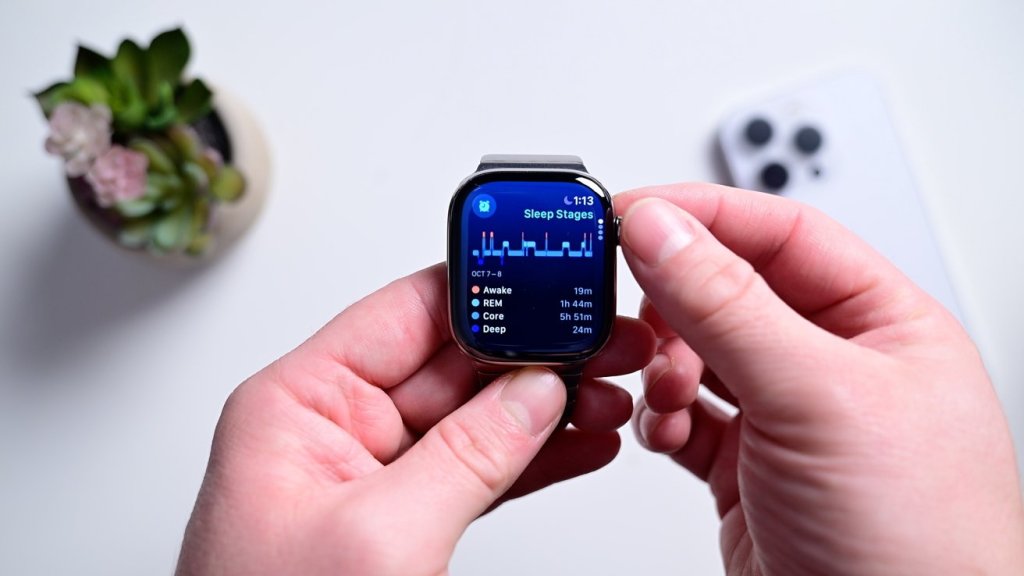
How to detect sleep apnea with Apple Watch

It’s quick and easy to set up sleep apnea detection. It is done from your iPhone.

• Open the Health app on your iPhone

• Go to Browse and search for “breathing disturbances”

• The first time you’ll see a button at the top that says “set up”

• Answer a couple qualifying questions and hit continue

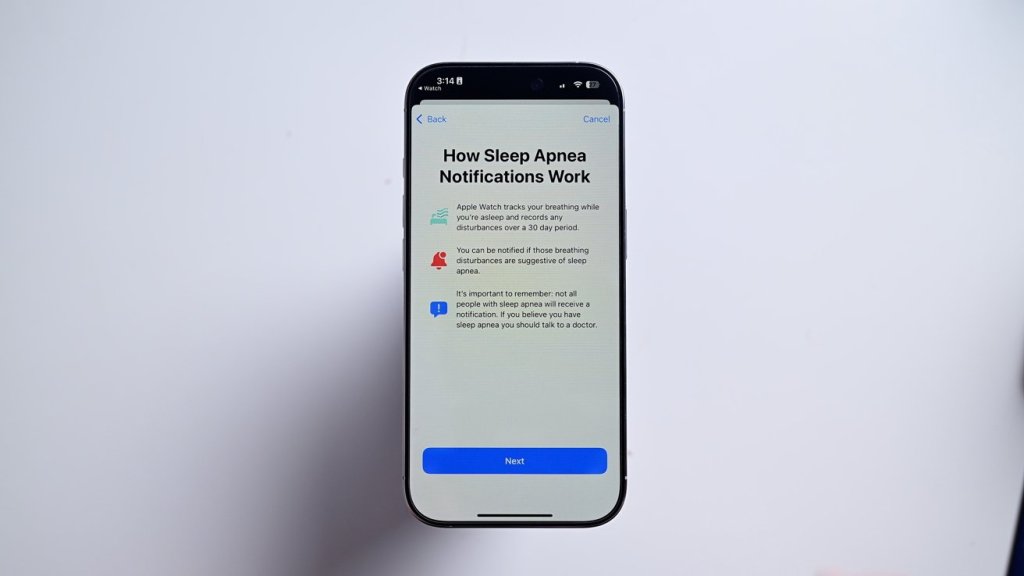
• The app gives you a brief explainer, after which you can hit next

Viewing your sleep apnea results

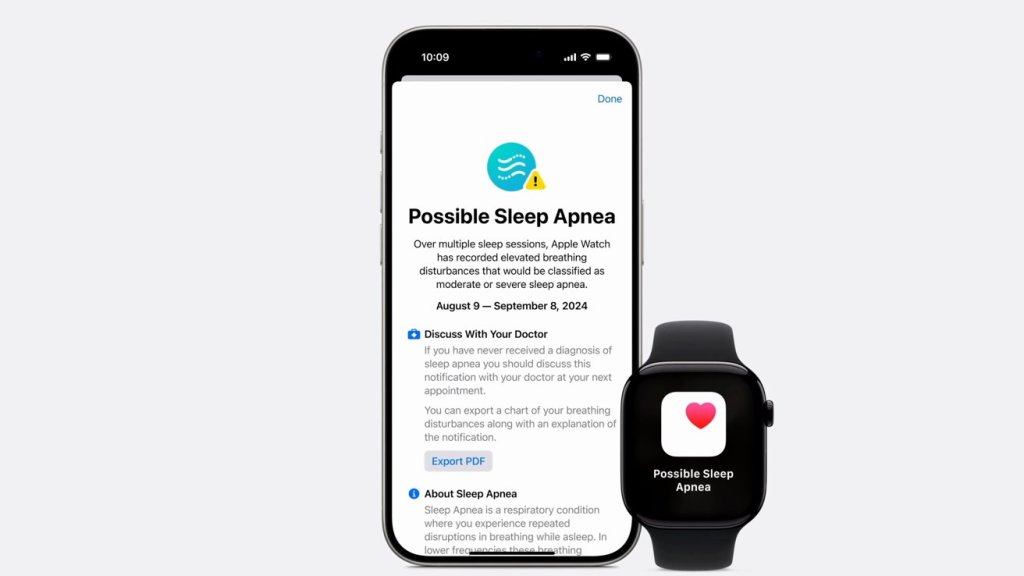
As soon as your first night you’ll see your results reflected in the Health app. If it detects an elevated level of breathing disturbances, it will proactively send you an alert.

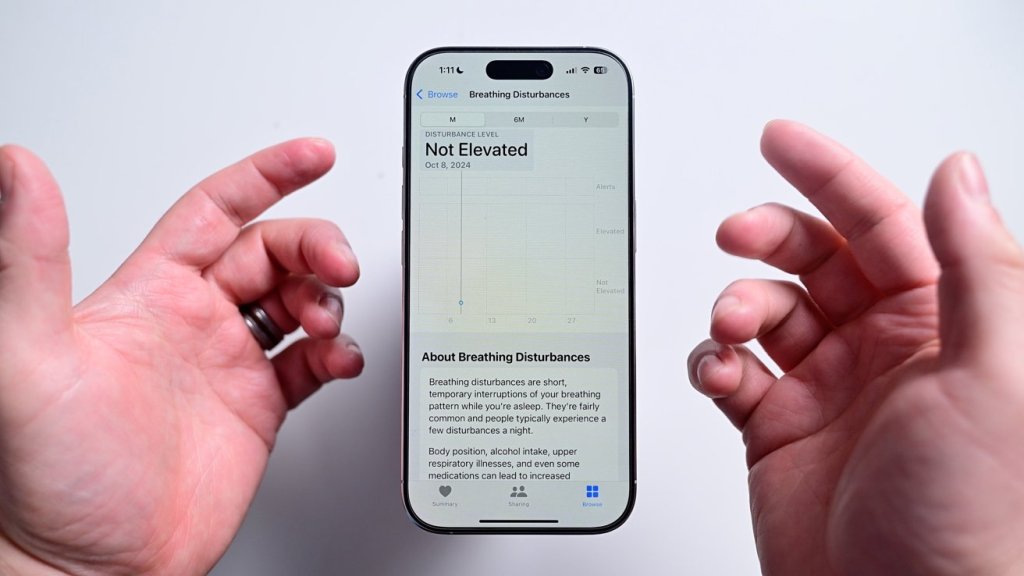
If you want to view the data for yourself, you can open the Health app once more and navigate back to breathing disturbances. It will show each night’s results on a graph on a scale from not elevated to elevated. You can view it for each night or over time. To be clear, if a positive detection is triggered, it’s not diagnosing you with anything. The data can be exported and shared with your health care provider where they can make a further diagnosis.

https://appleinsider.com/inside/apple-watch/tips/how-to-detect-sleep-apnea-with-apple-watch

DMV Reporting Laws Update

Delaware finally amended its DMV reporting laws to no longer require mandatory reporting of patients with seizures, loss of consciousness or other medical conditions.

Physicians should continue to use their medical judgment when dealing with patients with potentially impaired driving capabilities and may continue to send reports to DMV on a case by case basis.

House Bill 314, which updates the outdated mandatory reporting requirements for loss of consciousness due to a central nervous system condition, was supported by MSD and had passed both chambers. On Friday, August 2nd, Governor Carney signed the legislation into law.

MSD President, Robert Varipapa, MD, testified that the mandatory reporting system did not function effectively, especially in the emergency room setting where individuals are often inappropriately reported to the Division of Motor Vehicles (DMV) resulting in overworked DMV personnel and a substantial backlog in the physician’s office. 

It was also noted that the mandatory reporting requirement placed physicians in the awkward role of being a law enforcement officer, leading some patients being hesitant to truthfully disclose seizures or other episodes of loss of consciousness to their physician due to fear of losing their license. 

MSD testimony stated that physicians and other medical professionals should still report cases to the DMV based on medical evidence, not only limited to repeated loss of consciousness, but also other conditions such as dementia and stroke. 

This Act does all of the following: 

(1) Allows for all licensed practitioners (physician, nurse practitioner, or physician assistant) who are treating a driver for a medical condition to report findings and sign Division paperwork, which mirrors verbiage found in Title 24; 

(2) Updates the name of Medical Council to Board of Medical Licensure and Discipline which ensures compliance with code in handling of individual cases; and 

(3) Changes the Secretary of Health and Social Services to Secretary of Transportation for determining the status of driver’s license for individuals with a potential medical condition which allows for quicker response and ensures the confidentiality of a driver. Lastly it removes a section from the Medical Licensure Act consistent with the other provisions of the bill.

Mounjaro, Zepbound Help Sleep Apnea

A popular obesity drug may help treat a dangerous disorder in which people struggle to breathe while they sleep, a new study finds.

Tirzepatide, the medication in the weight-loss drug Zepbound and also the diabetes treatment Mounjaro, appeared to reduce the severity of sleep apnea along with reducing weight and improving blood pressure and other health measures in patients with obesity who took the drug for a year.

https://apnews.com/article/sleep-apnea-tirzepatide-obesity-cpap-3872cf70f3e3b385fe98f83afaadc91e

US FDA identifies recall of ResMed’s respiratory devices as most serious

Please contact your DME supplier if you have a ResMed Mask.

The U.S. Food and Drug Administration (FDA) on Thursday classified the recall of certain respiratory masks made by ResMed (RMD.N) as most serious as their use could cause major injuries or death.

ResMed was recalling some models of its continuous positive airway pressure (CPAP) masks, AirFit and AirTouch, due to possible magnetic interference with certain medical devices and implants which might disrupt their function or position and cause serious harm or death, the FDA said.
https://www.reuters.com/business/healthcare-pharmaceuticals/us-fda-identifies-recall-resmeds-respiratory-devices-most-serious-2024-01-11/