Tag Archives: prevention

New obesity criteria…BMI out.

“Excess adiposity should be confirmed by at least one other anthropometric criterion (eg, waist circumference) or by direct fat measurement when available. However, in people with substantially high BMI levels (ie, >40 kg/m2) excess adiposity can be pragmatically assumed

People with confirmed obesity (that is, with clinically documented excess adiposity) should then be assessed for possible clinical obesity based on findings from medical history, physical examination, and standard laboratory tests…”

https://www.thelancet.com/journals/landia/article/PIIS2213-8587(24)00316-4/abstract
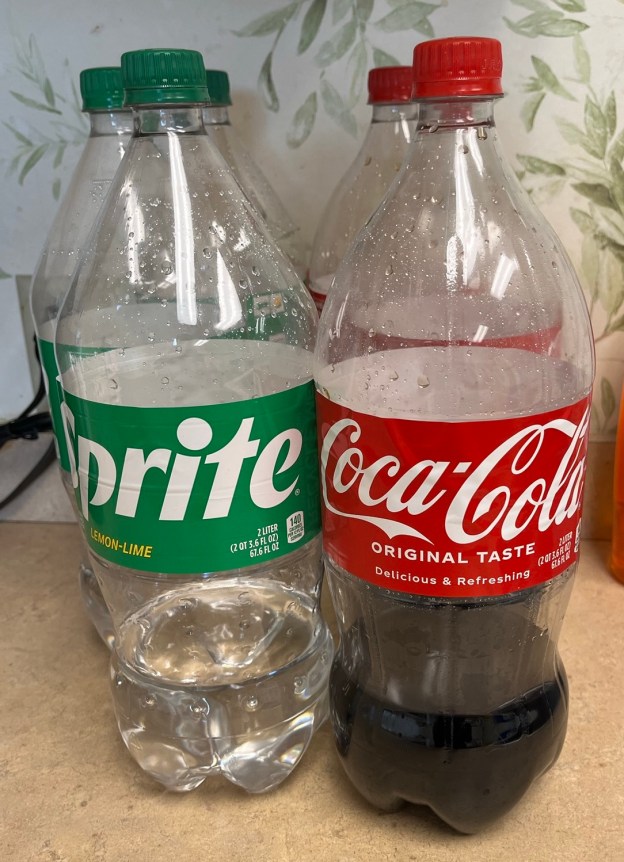
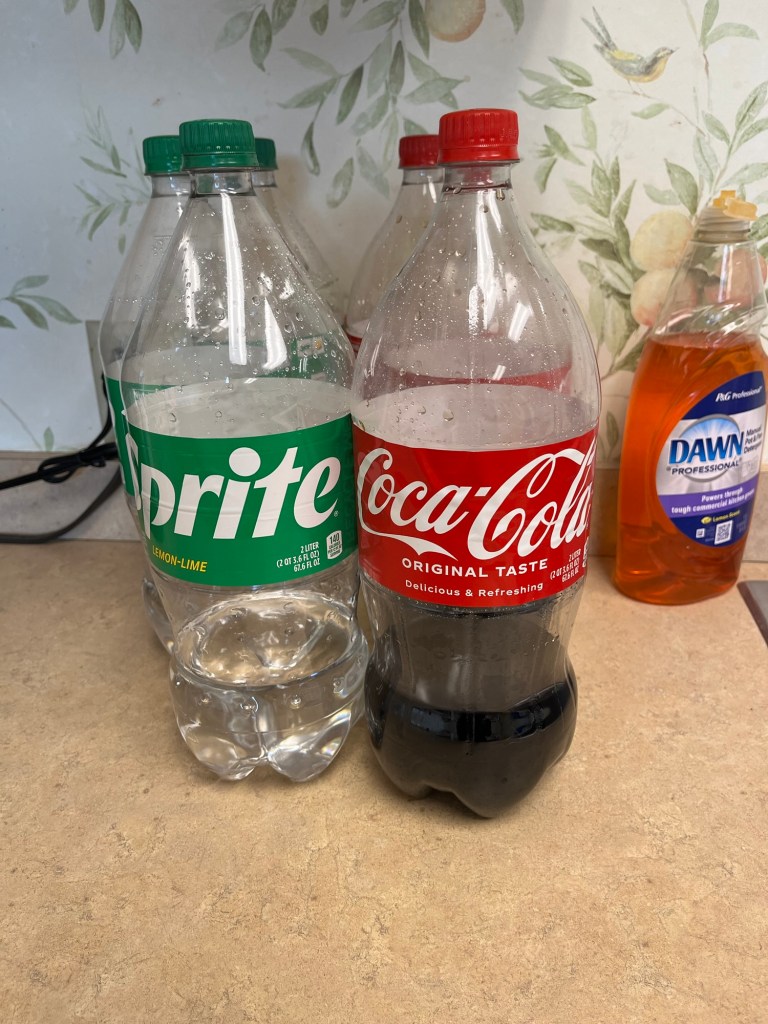
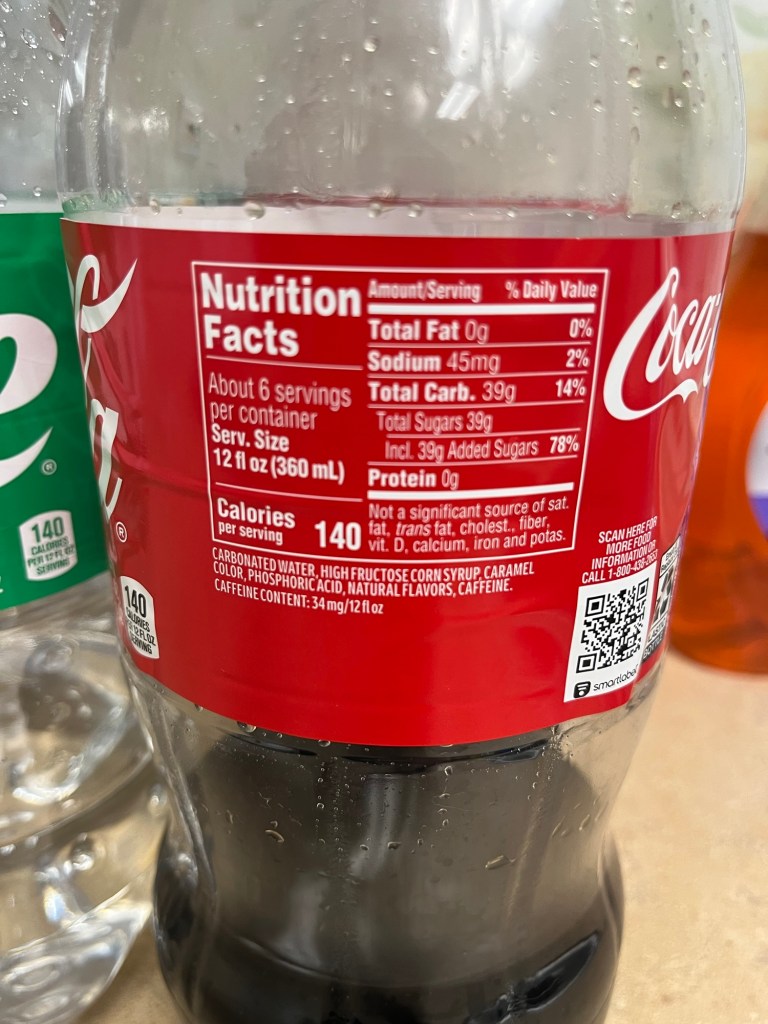
High Fructose Corn Syrup is Killing Us

Your favorite beverage may be doing serious damage to your health.

Sugar-sweetened beverages may increase your risk for heart disease and type 2 diabetes, new research finds.

Sugary drinks were found to be linked to over 330,000 deaths a year.

A study published in Nature Medicine analyzed global data on sugar-sweetened beverages (SSBs) consumed around the world from both observational and randomized studies, as well as diabetes and cardiovascular disease prevalence.

On a global level, researchers found that 2.2 million new cases of type 2 diabetes and 1.2 million new cases of heart disease in 2020 were attributable to SSBs—representing about 1 in 10 new type 2 diabetes cases and 1 in 30 new heart disease cases.

https://www.prevention.com/health/a63375234/sugary-drinks-linked-to-death/

Here’s what actually causes high cholesterol (and how to cut it)

Which foods should we point the finger at? Due to their saturated fat content, foods such as tropical oils (palm or coconut oil), baked goods, sweets and foods that have been fried all contribute to an increase of ‘bad’ cholesterol.


Processed meats – think sausages, bacon and hot dogs – also contain a high amount of saturated fat. According to one review involving 614,000 participants, each additional 50g (1.8oz) serving of processed meat per day is linked to a 42 per cent higher chance of heart disease.

Then there’s sugar. It also acts like a drug on your liver, encouraging it to produce more LDLs and fewer HDLs. A 15-year study found that participants who took in 25 per cent or more of their daily calories in sugar were more than twice as likely to die from heart disease, with cholesterol playing a key role.

https://apple.news/AXMuD4ku0QmqJpqmMtMI1qw

What Ozempic Really Does to Your Brain

Mounjaro just approved for Sleep Apnea

“IF YOU TAKE a GLP-1 agonist like Ozempic or Zepbound, you can see changes to your waistline and your blood sugar within weeks. What might be less obvious is how the drug is affecting your brain. Research suggests these popular weight-loss medications can influence everything from daily behavior to risk of age-related memory loss, and neuroscientists are working overtime to discover exactly how these drugs affect the brain.


“It is a hot topic,” says Kevin Williams, Ph.D., a neuroscientist at the University of Texas Medical Branch. “If you can understand how these drugs are accessing the brain and where they are acting, then potentially that could guide future drug development to be able to better target these regions.”

https://www.menshealth.com/health/a63249412/what-ozempic-does-to-your-brain/

Why do obesity drugs seem to treat so many other ailments?

“Curbing addiction isn’t the only potential extra benefit of GLP-1 drugs.

Mounjaro Zepbound Ozempic Wegovy

Other studies have suggested they can reduce the risk of death, strokes and heart attacks for people with cardiovascular disease or chronic kidney ailments, ease sleep apnea symptoms and even slow the development of Parkinson’s disease. There are now hundreds of clinical trials testing the drugs for these conditions and others as varied as fatty liver disease, Alzheimer’s disease, cognitive dysfunction and HIV complications.”

https://www.nature.com/articles/d41586-024-03074-1

Sort out your life! 100 tiny tricks

Fun list to check out. This one stuck out for me:

Try Coffee Planking
“Every morning I get up and make coffee for my wife and me. One cup takes one minute 18 seconds to brew, and every morning for the last 12 months I have planked for this period. Simple thing, using the dead time.”

Sort out your life! 100 tiny tricks to help with everything from digital overwhelm to lumpy sugar and unpaid bills

https://www.theguardian.com/lifeandstyle/article/2024/sep/03/sort-out-your-life-100-tiny-tricks-to-help-with-everything-from-digital-overwhelm-to-lumpy-sugar-and-unpaid-bills

The Apple Watch Is Becoming Doctors’ Favorite Medical Device

I commonly recommend the Apple Watch, mostly for cardiac monitoring and for patients at risk of falling. Great for monitoring steps and physical activity too.

“Doctors are using the Apple Watch as part of how they diagnose and help their patients manage disease—whether or not it’s been specifically approved for such applications by the Food and Drug Administration or other regulatory bodies.

My own mother, who has a history of atrial fibrillation, a heart-rhythm disorder, is one such patient. The Apple Watch SE she bought on her doctor’s advice has been, by her account, a lifesaving intervention. It allows her to send data gathered by her watch directly to her doctor, as part of the continuing management of her lifestyle and medication.”

https://www.wsj.com/tech/personal-tech/apple-watch-is-becoming-doctors-favorite-medical-device-af3719ec

Exercise for aging people: where to begin, and how to minimize risk while maximizing potential

In this special episode, Peter addresses the common questions about starting or returning to an exercise routine over the age of 50. Individuals in this age group have frequently reached out with questions about whether it’s too late to start exercising and often express concern over a lack of prior training, a fear of injury, or uncertainty about where to begin.


Fat-free mass (FFM) and physical activity level (PAL) throughout life in females (left) and males (right)

Peter delves into the importance of fitness for older adults, examining all four pillars of exercise, and provides practical advice on how to start exercising safely, minimize injury risk, and maximize potential benefits. Although this conversation focuses on people in the “older” age category, it also applies to anyone of any age who is deconditioned and looking to ease into regular exercise.

#307 ‒ Exercise for aging people: where to begin, and how to minimize risk while maximizing potential | Peter Attia, M.D.

Neuroscientists warn of ‘cascading’ Alzheimer’s risk from these two habits

“Scientists believe that Alzheimer’s is caused by the abnormal buildup of proteins in and around our brain cells, although exactly what triggers this buildup is still unclear.

But what we do know is that our risk of developing Alzheimer’s is dependent on a range of genetic and environmental factors. And among these environmental factors are alcohol consumption and chronic stress.”

https://apple.news/AzWO6T0sJQ3KPoryw1MxKiA

Vaccination Dramatically Lowers Long Covid Risk

“A growing consensus is emerging that receiving multiple doses of the COVID vaccine before an initial infection can dramatically reduce the risk of long-term symptoms. Although the studies disagree on the exact amount of protection, they show a clear trend: the more shots in your arm before your first bout with COVID, the less likely you are to get long COVID.”

https://www.scientificamerican.com/article/vaccination-dramatically-lowers-long-covid-risk/