Tag Archives: pain

Understanding Low Back Pain

Lower back pain is one of the most common and most misunderstood health complaints worldwide. Stuart McGill, distinguished professor emeritus at the University of Waterloo and chief scientific officer at Backfitpro, has dedicated his career to unraveling its complexities. His work offers both scientific clarity and real-world hope to patients who have struggled for years without relief.

The Anatomy of Pain

McGill begins with fundamentals: the structure of the spine and how the lower back functions under stress. He explains that the spine is not a single moving part but a system of joints, muscles, and connective tissues that interact dynamically. Weakness or instability in any of these areas can set the stage for injury.

Challenging “Nonspecific Back Pain”

A central theme in McGill’s approach is his rejection of the label “nonspecific back pain.” Rather than accept pain without explanation, he emphasizes the importance of finding the causal link between an injury and its symptoms. According to McGill, clarity is not just possible—it’s essential for recovery.

Lessons from Complex Cases

Through case studies, McGill demonstrates how careful assessment and targeted treatment have resolved severe, long-standing pain. These stories show that with the right strategy, even patients who have been told there is “nothing more to do” can regain their mobility and quality of life.

Building Strength and Stability

Beyond diagnosis, McGill stresses prevention and resilience. His core message: strength and stability protect the spine. He shares his go-to exercises designed to reinforce spinal health and help patients move with less pain. These exercises aren’t about heavy lifting—they’re about building control, endurance, and protective strength.

Practical Advice for a Healthy Spine

McGill’s guidance goes beyond the clinic. He offers everyday strategies to keep the back strong: mindful movement, proper lifting techniques, and maintaining a balance between activity and rest. His conviction is simple yet powerful: nobody needs to suffer endlessly from back pain.

Outline

0:00:30 – Peter’s experience with debilitating back pain
0:14:11 – Anatomy of the back: spine, discs, facet joints, and common pain points
0:24:48 – Lower back injuries and pain: acute vs. chronic, impact of disc damage, microfractures, and more
0:31:30 – Why the majority of back injuries happen around the L4, L5, and S1 joints
0:37:20 – How the spine responds to forces like bending and loading, and how it adapts do different athletic activities
0:45:12 – The pathology of bulging discs
0:48:33 – The pathophysiology of Peter’s back pain, injuries from excessive loading, immune response to back injuries, muscle relaxers, and more
0:59:36 – The three most important exercises Stuart prescribes, how he assesses patients, and the importance of tailored exercises based on individual needs and body types
1:12:46-The significance of strength and stability in preventing injuries and preserving longevity
1:25:33-Stuart’s take on squats and deadlifting: potential risks, alternatives, and importance of correct movement patterns
1:37:08-Helping patients with psychological trauma from lower back pain by empowering them with the understanding of the mechanical aspects of their pain
1:46:59-Empowering patients through education and understanding of their pain through Stuart’s clinic and work through BackFitPro
1:56:08-When surgical interventions may be appropriate, and “virtual surgery” as an alternative
2:05:48-Weakness, nerve pain, and stenosis: treatments, surgical considerations, and more
2:11:21-Tarlov cysts: treatment and surgical considerations
2:13:34-The evolution of patient assessments and the limitations of MRI
2:18:40-Pain relief related to stiffness and muscle bulk through training
2:26:49-Advice for the young person on how to keep a healthy spine
2:39:24-Resources for individuals dealing with lower back pain

Medical Mysteries: A new mother is felled by ferocious back pain

While breastfeeding her new baby, she developed intense, unexplained pain that kept getting worse.

Several days after her parents’ departure Lucido stumbled into the bathroom early one morning and unintentionally sat down hard on the toilet. Instantly she felt a sickening shudder in her lower back followed by the sensation of an electric current shooting up her spine. Intense nausea came next. Worried she might pass out from the pain, Lucido lay on the bathroom floor.

Aimee Lucido with her baby, Lyra

In 2018 Columbia University’s Irving Medical Center had launched a program headed by endocrinologist Adi Cohen to recruit, study and treat women with a rare condition called pregnancy- and lactation-associated osteoporosis (PLO).

A severe form of early-onset osteoporosis — osteoporosis that occurs before age 50 — PLO can occur in the late stages of pregnancy or during breastfeeding when the loss of maternal calcium leads to a temporary decrease in bone mineral density. Unlike postmenopausal osteoporosis, which is common and affects about 10 million Americans, PLO is rare, although no one knows how rare.

Little is known about the condition, which was described more than 70 years ago. Misdiagnosis is common and many doctors have never seen a case.

https://www.washingtonpost.com/health/2024/06/22/pregnancy-backpain-breastfeeding-medical-mysteries/

Here Are the Lower Back Pain Remedies That Actually Work, According to Science

If you have chronic lower back pain—meaning a nagging ache has persisted for 12 weeks or more—you may be tempted to throw a bunch of Dr. Google remedies into a bag, shake it up, and start drawing at random. Before you go that unscientific—but understandably desperate—route, know this: The World Health Organization (WHO) released guidelines in 2023 that aim to demystify the dizzying array of options that promise to put an end to the hurt.

We asked doctors for their back pain tips, and for insight into some of the WHO’s top recs. So, let’s forget the remedy roulette and stick with the science, shall we?

https://www.self.com/story/lower-back-pain

If You Only Do 5 Exercises, a Physical Therapist Says These Are the Most Effective for Keeping You Pain-Free

f the time or energy you have to move your body is limited—or maybe you’re just easing into this whole fitness thing—rather than rushing through a complicated, multi-part workout, a better strategy can be honing in on just a few specific exercises to prevent injuries and common problems like back pain. Because, although there are hundreds of moves out there with different benefits for your body, you don’t need to do them all to stay healthy and pain-free.

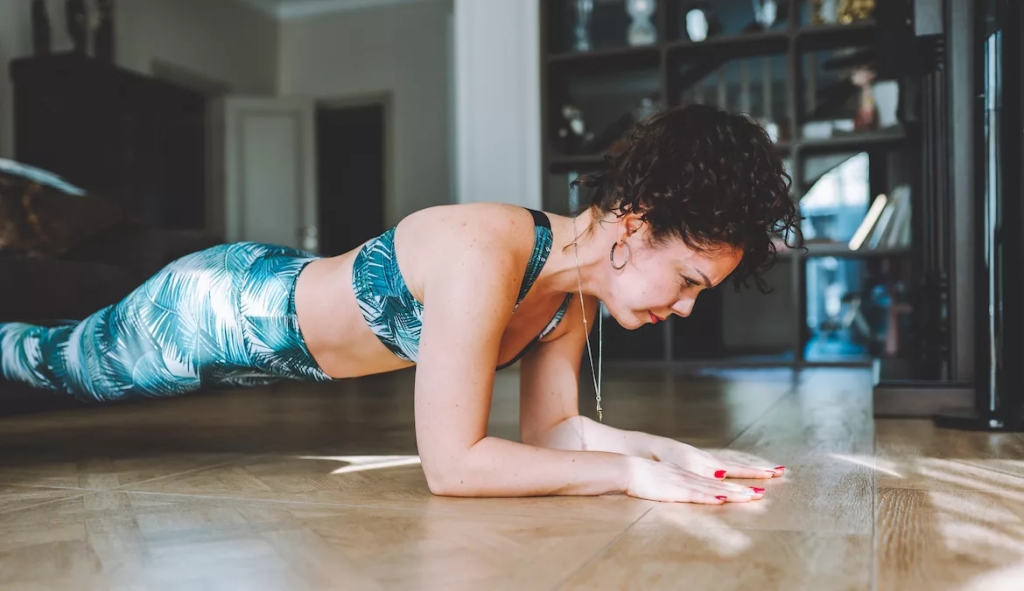
Lady doing a plank

Plank

One of the most loved and hated core exercises around gets top billing in this list. “Planks work your core stability and endurance, which helps with overall balance and stability as well as protecting your spine,”

Directions: Hold your body in the top of a push-up position. Aim to hold for 60 seconds at a time.

Step-ups

Exaggerating the act of going upstairs by working one leg at a time is a great way to build strength and balance.

Directions: Using the bottom of a staircase or a sturdy four- to eight-inch tall step stool, step up onto one leg. Place your hands on a railing, counter, or other surface if you feel imbalanced. Slowly lower yourself back down, then step back up. Repeat 10 to 15 times for three sets on each leg.

Side-lying hip abduction

Dr. Behenna says she has seen dramatic improvement in clients when they learn to activate and strengthen their glutes, and these leg lifts are a great way to target the gluteus medius in particular.

Directions: Lie down on one side of your body. Bend the bottom knee and keep the top knee straight. Lift the top, straight leg in the air, keeping your heel slightly behind your hip. Lower back down. Repeat 10 to 15 times, for three sets.

Heel and toe raises

Working your calves will help keep you mobile by building strength and lengthening these often tight, knotted muscles. You’ll also activate the small muscles in your feet to help create a stable base for walking.

Directions: Stand next to a counter or railing, holding on with both hands for balance only. Rise up onto your toes, then lower back down. Repeat 30 times, for two sets. Next, keep your heels down and lift your toes up, and repeat 30 times, for two sets. 

Hamstring and calf stretches

These stretches are the complement to those heel raises and step ups you just did.

Directions: To stretch your hamstring, sit sideways on the edge of a couch with the outside foot on the floor and the inside leg straight in front of you on the couch. Keeping your knee and back straight, lean forward until you feel a stretch on the back of the thigh. Hold that stretch anywhere from 15 to 30 seconds and repeat three to five times on each leg.