Tag Archives: obesity

Optimal dietary patterns for healthy aging

A recent important study published in Nature Medicine examines the impact of long-term adherence to various dietary patterns on healthy aging.

Utilizing data from the Nurses’ Health Study and the Health Professionals Follow-Up Study – over 100K people in their early fifties followed for 30 years – in the end, only 23% of them were free of 11 chronic diseases!

Primary Message: Eat well and believe the science.

Study Parameters

Healthy Aging
Better Cognitive Function
Better Physical Function
Better Mental Health
Free from Chronic Disease
Survival Past Age 70

Key Findings:

Dietary Patterns: Higher adherence to healthful dietary patterns, such as the Alternative Healthy Eating Index (AHEI), was associated with increased odds of healthy aging. Participants in the highest quintile of AHEI adherence had an 86% greater likelihood of aging healthily compared to those in the lowest quintile.

Beneficial Foods: Increased consumption of fruits, vegetables, whole grains, unsaturated fats, nuts, legumes, and low-fat dairy products correlated with better aging outcomes.

Not surprisingly, healthy options include vegetables, fruits, unsaturated fats, nuts, legumes, omegas-3s and fish. And surprisingly (you’ll like this!), wine, fast food, fried food for better chances of brain health & longer life!

Detrimental Foods: Higher intakes of trans fats, sodium, sugary beverages, and red or processed meats were inversely associated with healthy aging.

Unhealthy food, as expected, included trans fats, total meats, red meat, butter, margarine, snacks, sodium, processed meats, sweets and desserts, sugary juices, total alcohol and refined grains. Surprisingly, potatoes & starchy vegetables, low energy drinks were net negatives

Click to access full study

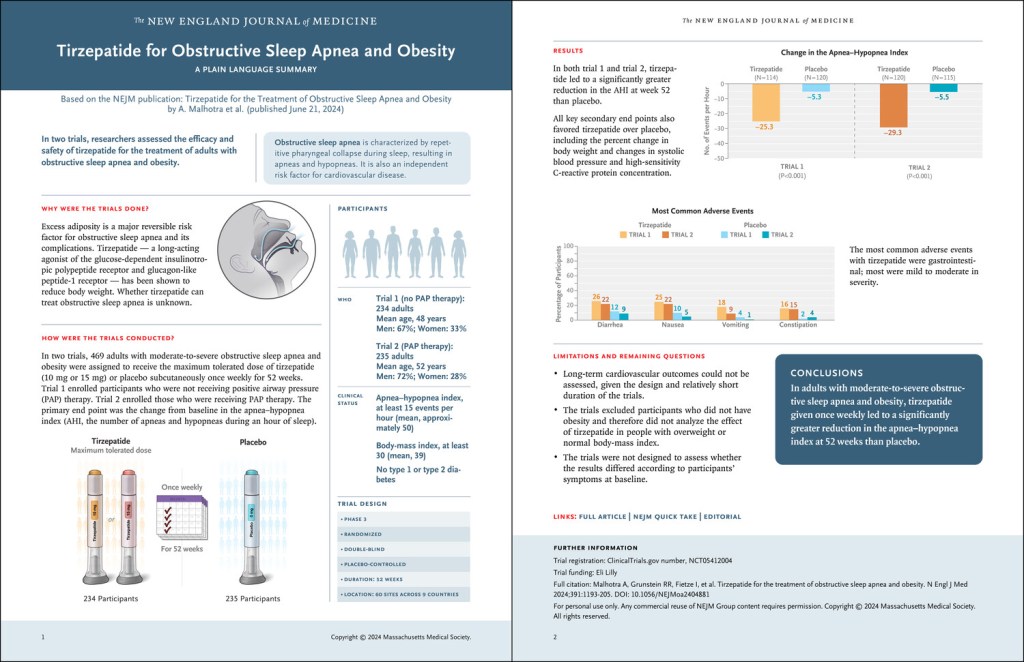
Mounjaro – First Medication for Sleep Apnea

Mounjaro (tirzepatide), a GLP-1 medication, not only promotes weight loss and is an excellent treatment for diabetes, it has now been shown to be an alternative treatment for obstructive sleep apnea.

New obesity criteria…BMI out.

“Excess adiposity should be confirmed by at least one other anthropometric criterion (eg, waist circumference) or by direct fat measurement when available. However, in people with substantially high BMI levels (ie, >40 kg/m2) excess adiposity can be pragmatically assumed

People with confirmed obesity (that is, with clinically documented excess adiposity) should then be assessed for possible clinical obesity based on findings from medical history, physical examination, and standard laboratory tests…”

https://www.thelancet.com/journals/landia/article/PIIS2213-8587(24)00316-4/abstract

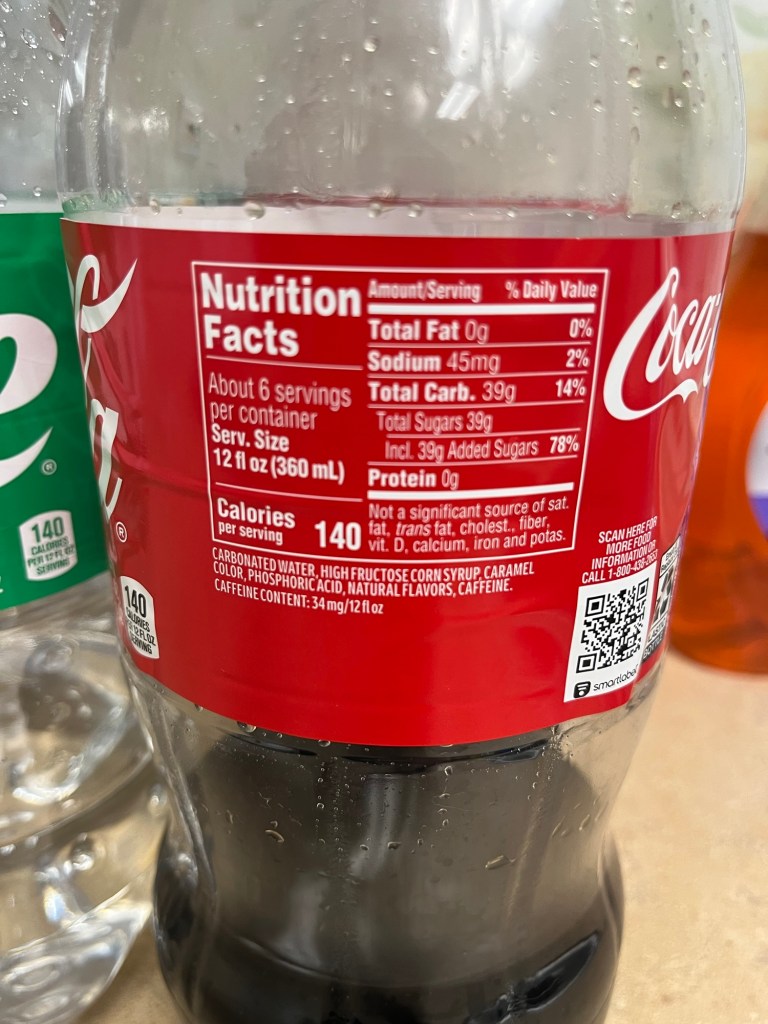
High Fructose Corn Syrup is Killing Us

Your favorite beverage may be doing serious damage to your health.

Sugar-sweetened beverages may increase your risk for heart disease and type 2 diabetes, new research finds.

Sugary drinks were found to be linked to over 330,000 deaths a year.

A study published in Nature Medicine analyzed global data on sugar-sweetened beverages (SSBs) consumed around the world from both observational and randomized studies, as well as diabetes and cardiovascular disease prevalence.

On a global level, researchers found that 2.2 million new cases of type 2 diabetes and 1.2 million new cases of heart disease in 2020 were attributable to SSBs—representing about 1 in 10 new type 2 diabetes cases and 1 in 30 new heart disease cases.

https://www.prevention.com/health/a63375234/sugary-drinks-linked-to-death/

Here’s what actually causes high cholesterol (and how to cut it)

Which foods should we point the finger at? Due to their saturated fat content, foods such as tropical oils (palm or coconut oil), baked goods, sweets and foods that have been fried all contribute to an increase of ‘bad’ cholesterol.


Processed meats – think sausages, bacon and hot dogs – also contain a high amount of saturated fat. According to one review involving 614,000 participants, each additional 50g (1.8oz) serving of processed meat per day is linked to a 42 per cent higher chance of heart disease.

Then there’s sugar. It also acts like a drug on your liver, encouraging it to produce more LDLs and fewer HDLs. A 15-year study found that participants who took in 25 per cent or more of their daily calories in sugar were more than twice as likely to die from heart disease, with cholesterol playing a key role.

https://apple.news/AXMuD4ku0QmqJpqmMtMI1qw

What Ozempic Really Does to Your Brain

Mounjaro just approved for Sleep Apnea

“IF YOU TAKE a GLP-1 agonist like Ozempic or Zepbound, you can see changes to your waistline and your blood sugar within weeks. What might be less obvious is how the drug is affecting your brain. Research suggests these popular weight-loss medications can influence everything from daily behavior to risk of age-related memory loss, and neuroscientists are working overtime to discover exactly how these drugs affect the brain.


“It is a hot topic,” says Kevin Williams, Ph.D., a neuroscientist at the University of Texas Medical Branch. “If you can understand how these drugs are accessing the brain and where they are acting, then potentially that could guide future drug development to be able to better target these regions.”

https://www.menshealth.com/health/a63249412/what-ozempic-does-to-your-brain/

Obesity Drug Shows Promise in Easing Knee Osteoarthritis Pain

(The GLP1 drugs are favorites for Dr Varipapa, improving health in so many ways!)

A large trial showed that semaglutide, sold as Ozempic for diabetes and as Wegovy for obesity, was better than any current medications in alleviating symptoms.

(Dr Varipapa suspects Mounjaro and Zepbound to have similar if not better benefit as it is even better for treatment of obesity!)

The blockbuster drug semaglutide, sold as Ozempic for diabetes and as Wegovy for weight loss, now has a new proven benefit: It markedly soothed knee pain in people who are obese and have moderate to severe osteoarthritis, according to a large study.

The effect was so pronounced that some arthritis experts not involved with the clinical trial were taken aback.

“The magnitude of the improvement is of a scope we haven’t seen before with a drug,” said Dr. Bob Carter, deputy director of the National Institute of Arthritis and Musculoskeletal and Skin Diseases. “They had an almost 50 percent reduction in their knee pain. That’s huge.”

Mounjaro for Sleep Apnea

Among persons with moderate-to-severe obstructive sleep apnea and obesity, tirzepatide (Mounjaro, Zepbound) reduced the AHI, body weight, hypoxic burden, hsCRP concentration, and systolic blood pressure and improved sleep-related patient-reported outcomes. 

Why do obesity drugs seem to treat so many other ailments?

“Curbing addiction isn’t the only potential extra benefit of GLP-1 drugs.

Mounjaro Zepbound Ozempic Wegovy

Other studies have suggested they can reduce the risk of death, strokes and heart attacks for people with cardiovascular disease or chronic kidney ailments, ease sleep apnea symptoms and even slow the development of Parkinson’s disease. There are now hundreds of clinical trials testing the drugs for these conditions and others as varied as fatty liver disease, Alzheimer’s disease, cognitive dysfunction and HIV complications.”

https://www.nature.com/articles/d41586-024-03074-1

Ozempic and cancer: What to know

Labels for GLP-1 medications, like Ozempic and Mounjaro, might see more approved uses as researchers study the drugs’ effects on sleep apnea, dementia and other health issues. Meanwhile, oncologists are looking at a GLP-1 role in cancer care.

Several studies have shown the therapies — currently approved for Type 2 diabetes and weight loss — can diminish the risk of multiple cancers:

https://www.beckershospitalreview.com/glp-1s/ozempic-and-cancer-what-to-know.html?origin=BHRE