He sneezed in the shower and made a shocking discovery: “A great rush of relief”
“An Arizona resident has described the moment they realized they had been living for over 25 years with something entirely unexpected lodged up the nose.
It had started like any other normal day for Andi Norton, 32, from Phoenix. Every morning starts with a shower and a big blow of the nose.”
Volume: AirPods don’t help without turning the transparency volume way up. Even at max volume, I could have used some more boost.
Clarity: I was impressed with the sound quality and clarity. AirPods are powerful, and they did a great job picking up voices and cutting background noise. I went back and forth between my premium hearing aids and my AirPods, with comparable speech clarity and noise reduction.
Comfort: AirPods aren’t comfortable enough to wear all day, but they are fine for a few hours. I’ll continue to wear my behind-the-ear style hearing aids day to day.
Form factor: I loved the flexibility of a great earbud with noise cancelation and volume boost during travel, but I won’t be wearing my AirPods to dinner with friends anytime soon. The social dynamics would be confusing.
This program should be expanded and not eliminated!
“Senate and House Republicans told Peter Sullivan of Axios that if they regain control of the government, they will work to get rid of the provision in the Inflation Reduction Act that permits the government to negotiate with pharmaceutical companies over drug prices.
Negotiations on the first ten drugs, completed in August, will lower the cost of those drugs enough to save taxpayers $6 billion a year, while those enrolled in Medicare will save $1.5 billion in out-of-pocket expenses.”
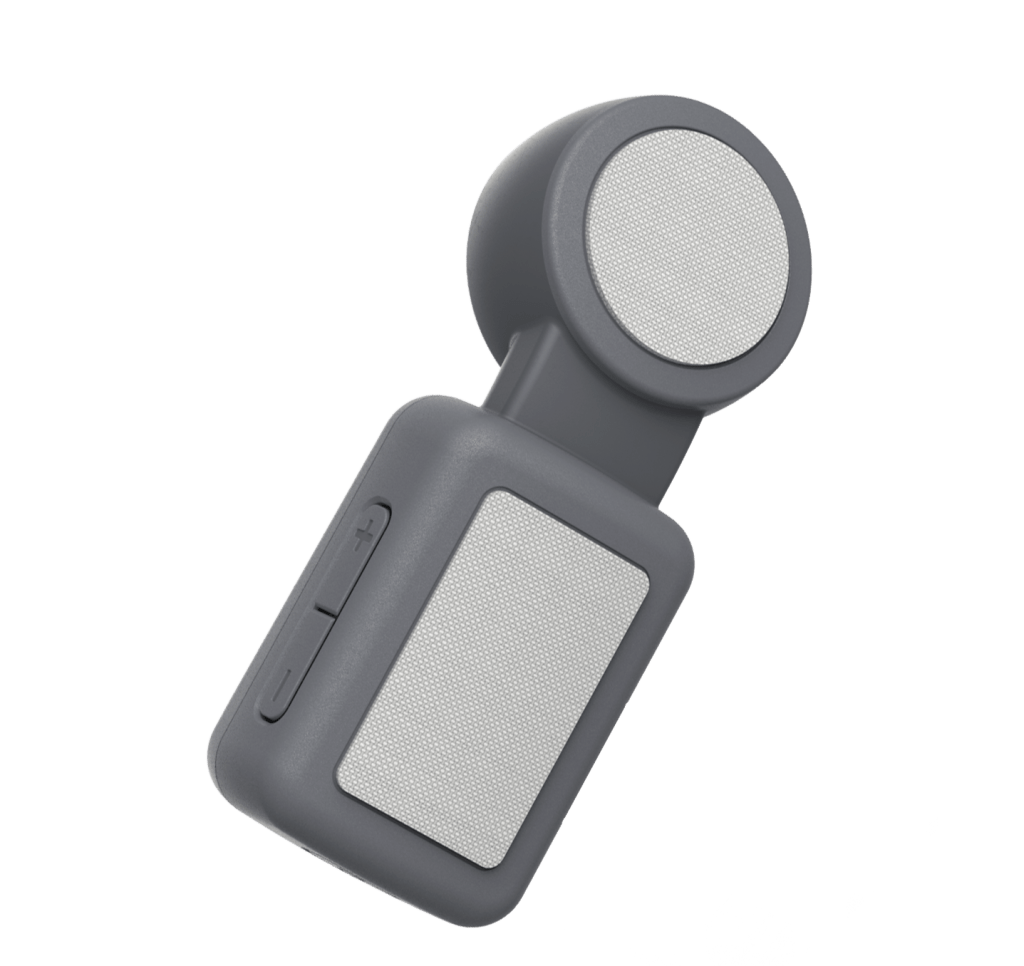
Otolith’s device is a wearable medical device with FDA Breakthrough Designation. Utilizing our non-invasive Vestibular Resonance Therapy or nVRT technology — the Otolith device provides precision signals that may reduce the symptoms of chronic vertigo, allowing users to maintain tasks of daily living.
The latest research is revealing clues about how you might be able to lower your chances of getting dementia. Here’s what the science says about keeping your mind sharp
Online and off, so-called sleepmaxxers are going to extreme lengths in pursuit of better sleep. Is that a problem?
Derek Antosiek considers himself something of a sleep connoisseur. He has applied tape to his mouth, propped his nostrils open with dilators and sealed his ears with plugs. He has tried out a fan that pumped cool air under his sheets, and positioned separate mattresses for himself and his wife side by side so that her movements wouldn’t disturb him. He has tested light therapy lamps and air quality monitors and sleep trackers and blue light glasses.
With each new experiment, the goal was the same: getting closer to a perfect night’s sleep.
The U.S. Food and Drug Administration on Thursday authorized the Hearing Aid Feature, its first over-the-counter hearing aid software device that is intended to be used with the Apple AirPods Pro.
Why it matters: A hearing aid that’s built into a relatively inexpensive and easily accessible product that many people already own could help far more people get the hearing help they need.
How it works: The Hearing Aid Feature is set up using an iOS device, such as the iPhone, and the user’s hearing levels are accessed from the iOS HealthKit to customize it. Users can refine the volume, tone and balance settings after setting up the feature.
Try Coffee Planking “Every morning I get up and make coffee for my wife and me. One cup takes one minute 18 seconds to brew, and every morning for the last 12 months I have planked for this period. Simple thing, using the dead time.”
Sort out your life! 100 tiny tricks to help with everything from digital overwhelm to lumpy sugar and unpaid bills
So, critically, none of these human studies tell us anything about how fluoride changes the brain at a biological level. Even studies in lab animals and cells did not identify how fluoride might affect learning, memory, or intelligence.
IQ scores also only capture an incomplete picture of early childhood brain development and are tangled up in a number of socioeconomic, racial, and culturalfactors beyond how much fluoride someone is exposed to.
If you’re concerned about your family’s fluoride exposure, you can check your tap water’s fluoride levels on the CDC’s My Water’s Fluoride page. If you happen to live somewhere with levels above around 1.5 mg/L, your tap water crosses the threshold of neurodevelopmental concern. No need to switch to bottled water, though; home water purifiers can filter fluoride out completely.
To make sure you don’t throw out the oral health benefits of fluoride with the bathwater, keep using fluoride toothpaste for those over the age of 2 (just don’t swallow it).
And if you’re still fluoride-skeptical, you can order some hydroxyapatite toothpaste— which has similar cavity-preventive benefits — from Europe or Canada, where it’s been approved and endorsed by dental associations.