Category Archives: sleep

Why Can’t Americans Sleep?


“People of all ages pop awake in the middle of the night and have trouble going back to sleep. One associates this phenomenon with anxiety if it happens in younger people, and no doubt that’s frequently the cause. But it also rhymes with what may be a natural pattern. Perhaps we’re meant to wake up. Perhaps broken sleep doesn’t mean our sleep is broken, because another sleep awaits.


And if we think of those middle-of-the-night awakenings as meant to be, Wehr told me, perhaps we should use them differently, as some of our forebears did when they’d wake up in the night bathed in prolactin, a hormone that kept them relaxed and serene. “They were kind of in an altered state, maybe a third state of consciousness you usually don’t experience in modern life, unless you’re a meditator. And they would contemplate their dreams.”


Night awakenings, he went on to explain, tend to happen as we’re exiting a REM cycle, when our dreams are most intense. “We’re not having an experience that a lot of our ancestors had of waking up and maybe processing, or musing, or let’s even say ‘being informed’ by dreams.”

https://www.theatlantic.com/magazine/archive/2025/08/insomnia-health-cognitive-behavioral-therapy/683257/

Solution for Insomnia 😴

Sound Therapy: Sleep on Apple Music

In this playlist, the addition of delta auditory beats or pink noise may help you find a deeper and better sleep.

“Sound Therapy” is a new audio wellness collection on Apple Music that blends special sound waves and auditory beats with your favorite tracks to encourage therapeutic listening—all without sacrificing the integrity of the music.

To get the most out of your listening experience, it’s recommended that you listen for at least 20 minutes in a quiet environment or with headphones.”

Discover the profound significance of waking up 3 AM to 5 AM

Learn how ancient Buddhist teachings guide us to use these early hours for self-reflection, mindfulness, and spiritual awakening. By understanding the deeper meaning of this time, we can cultivate inner peace, clarity, and a deeper connection to the universe.

Four transformative practices:

  1. Finding stillness through silent meditation
  2. Uplifting your spirit with gratitude and positive affirmations
  3. Purifying your body with warm water and intention and
  4. Reconnecting with nature by stepping outside

Mastering Sleep

A Deep Dive into Cognitive Behavioral Therapy for Insomnia

Summary of a podcast by Dr Peter Attia and Ashley Mason

Introduction

Ashley Mason, PhD, is an Associate Professor at UCSF, leading the Sleep, Eating, and Affect (SEA) Lab and directing the COAST Center. Her work focuses on non-pharmacologic treatments for mood, sleep, and eating disorders, with a central focus on cognitive behavioral therapy for insomnia (CBT-I). In a conversation that serves as a master class, Dr. Mason breaks down the science, structure, and strategies of CBT-I—an intervention she champions as life-changing and highly effective.


What Is Insomnia?

• Definition: Chronic sleep issues persisting >3 months, causing distress or functional impairment.

• Prevalence: Affects 5–10% of adults at any time; 90% will experience it episodically.

• Diagnosis: No lab test—diagnosed clinically based on history and pattern.


The CBT-I Approach

Dr. Mason’s clinical model centers on five pillars:

1. Stimulus Control: Bed = sleep (and sex) only. No TV, phones, or reading.

2. Time in Bed Restriction: Match time in bed to actual sleep ability + 30 mins.

3. Cognitive Restructuring: Reframe catastrophic thoughts around sleep.

4. Relaxation Techniques: Focused body scans, progressive muscle relaxation.

5. Sleep Hygiene: Regulate light, temperature, caffeine, and bedtime habits.


How Insomnia Starts—and Stays

• Predisposing Factors: Genetic tendencies (e.g., light sleeper, high anxiety).

• Precipitating Events: Life stressors (divorce, job loss) trigger acute insomnia.

• Perpetuating Behaviors: Naps, sleeping in, screen use in bed, and inconsistent schedules prolong it.

Dr. Mason intervenes not at the origin, but at the behaviors keeping insomnia alive.


Tools and Tactics

• Scheduled Worry Time: Set a daily time to worry—offload anxiety from bedtime.

• Sleep Diaries: Track sleep patterns, test interventions, and calculate efficiency.

• A/B Testing: Isolate single variables (e.g., blue light glasses) for 2 weeks to test impact.


Key Sleep Hygiene Tips

• Consistent Wake Time: More critical than bedtime. No sleeping in.

• Temperature: Cool room (mid-60s°F); warm hands/feet to fall asleep.

• Fluid Intake: Reduce liquids after dinner to minimize night awakenings.

• Alcohol/Caffeine: No caffeine after 11 A.M.; no alcohol during CBT-I.


Medication and Supplement Use

• Avoid melatonin unless clearly indicated (e.g., beta blocker use).

• Eliminate sleep medications gradually with precision and physician support.

• Avoid rotating OTC and prescription meds—standardize and stabilize.


CBT-I Implementation at UCSF

• Program Structure: Intake → 5 weekly group sessions → follow-up.

• Group Format: 8 patients per cohort; group dynamic enhances adherence.

• Telemedicine: Fully remote access for California patients.


The Role of Digital Tools and AI

• Current apps show moderate promise, but personalization and accountability are challenges.

• Dr. Mason supports the development of AI-assisted programs (e.g., Rest) to democratize CBT-I.


Additional Sleep Disruptors to Rule Out

• Sleep Apnea / RLS: Screen and refer before starting CBT-I.

• Medication Side Effects: Some blood pressure meds suppress melatonin.


Practical Behavioral Advice

• Avoid Napping: Unless >80 years old, limit to 25 minutes max.

• Middle-of-the-Night Awakenings: Leave bed, do boring (non-stimulating) tasks until sleepy again.

• Social Jet Lag: Never sleep in two days in a row; choose which weekend day to feel rested.


Sleep, Anxiety, and the Cognitive Link

• Track belief in distressing thoughts across the day—most lose power by afternoon.

• CBT-I reframes distorted sleep-related beliefs, improving both sleep and mood.


Thermal Interventions and Future Research

• Sauna: May help some; trial shows promise combining heat therapy + CBT-I.

• Cold Plunge: Discouraged before bed—raises core temp post-exposure.


Takeaway

“You don’t have to know what caused your insomnia. Just do the treatment. It works when you do it.” – Dr. Ashley Mason

CBT-I is among the most effective psychological treatments available, with 70% of patients achieving clinically meaningful results. While adherence is essential, the payoff is substantial—better sleep, improved functioning, and often, life transformation. No one should have to suffer from insomnia. Access may be challenging, but tools exist—from books to digital apps—that can initiate recovery.


Recommended Resources

• Quiet Your Mind and Get to Sleep by Rachel Manber & Colleen Carney

• Sleep diaries (paper preferred)

• Society of Behavioral Sleep Medicine directory

• Rest (AI-supported CBT-I app in development)

Start now. It won’t be easy, but it will be worth it.

Mounjaro – First Medication for Sleep Apnea

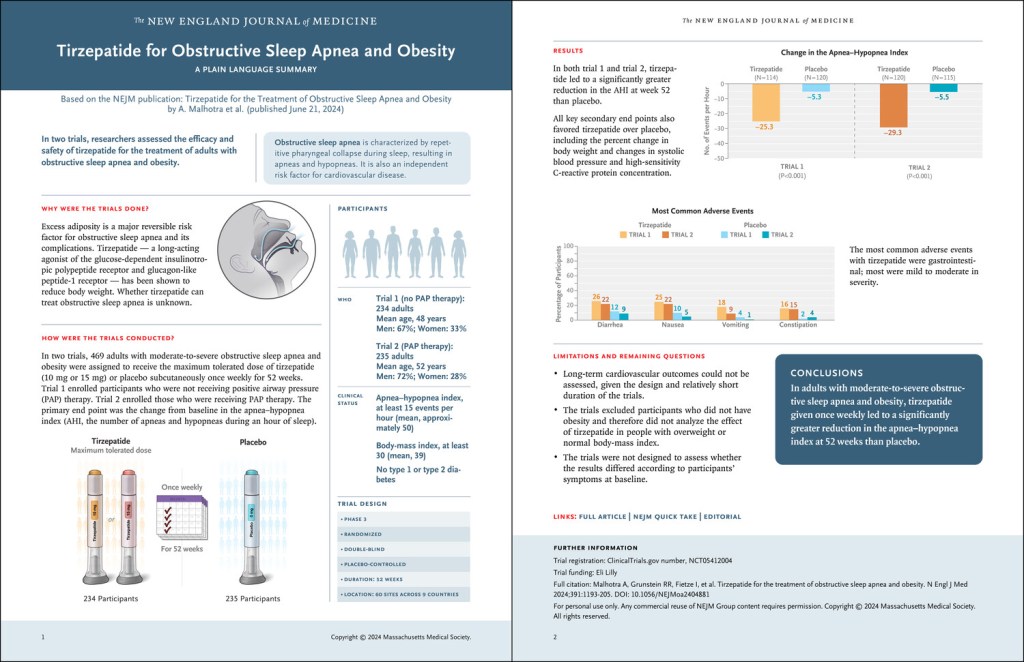
Mounjaro (tirzepatide), a GLP-1 medication, not only promotes weight loss and is an excellent treatment for diabetes, it has now been shown to be an alternative treatment for obstructive sleep apnea.

Sleep is Good and May Prevent Dementia Too!

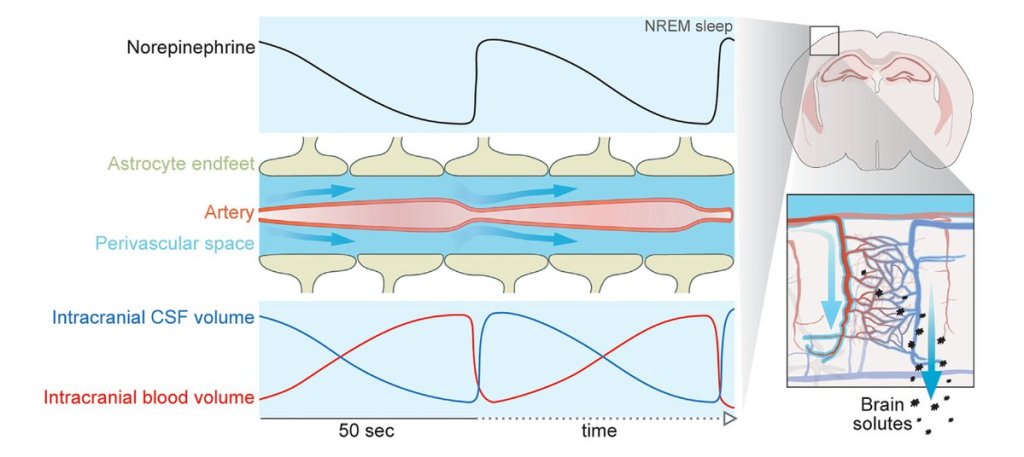
How the brain gets rid of its chemical waste through the glymphatics during sleep, via blood vessel oscillations, regulated by norepinephrine. Impeded by Ambien.

• Norepinephrine release from the locus coeruleus drives slow vasomotion in NREM sleep

• Infraslow norepinephrine oscillations control opposing changes in blood and CSF volumes

• Norepinephrine oscillation frequency during NREM sleep predicts glymphatic clearance

• The sleep aid zolpidem suppresses norepinephrine oscillations and glymphatic flow

https://www.cell.com/cell/abstract/S0092-8674(24)01343-6

https://www.science.org/content/article/scientists-uncover-how-brain-washes-itself-during-sleep

Entering a New Era in Sleep-Apnea Treatment

TL:DR 50% reduction in AHI (apnea-hypoxia index) and a lowering of blood pressure (which may reduce risk of stroke and heart attack!)

Obstructive sleep apnea is one of the most common respiratory disorders worldwide. Persons with obstructive sleep apnea can have loud snoring that is detrimental to social relationships and have breathing problems that result in recurrent nocturnal awakenings, unrefreshing sleep, and excessive daytime sleepiness — effects that together can substantially impair quality of life.

The improvement in systolic blood pressure that was seen with tirzepatide was substantially larger than effects seen with CPAP therapy alone7 and indicate that tirzepatide may be an attractive option for those patients who seek to reduce their cardiovascular risk

The initial results from the SURMOUNT-OSA trial show the usefulness of tirzepatide as an adjunctive treatment to address coexisting obesity in patients with obstructive sleep apnea. Weight loss resulting from tirzepatide treatment may be leveraged to expand the populations that may benefit from second-line treatments for obstructive sleep apnea.

https://www.nejm.org/doi/full/10.1056/NEJMe2407117

Understanding and Overcoming Midnight Wake-Ups: A Guide to Restful Nights

Have you ever found yourself abruptly awake in the middle of the night, wondering why sleep eludes you? You’re not alone. Midnight awakenings are a common phenomenon that can disrupt our sleep patterns and leave us feeling fatigued the next day. But what causes these interruptions, and how can we tackle them effectively?

People wake up at night for various reasons. Some of the common ones include:

  • stress and anxiety
  • discomfort or pain
  • need to use the bathroom
  • environment disruptions such as noise, movement, feeling too hot or too cold
  • sleep disorders such as sleep apnea or restless leg syndrome
  • disruption of the body’s natural sleep-wake cycle

A Strategy for Returning to Sleep

  1. Avoid time-reading: When you wake up in the middle of the night, avoid reaching for your phone or looking at the clock.
  2. Stay in bed and relax: First see if you can fall back asleep. You can try techniques like progressive relaxation, breathing exercises, white noise machines, and other methods that may help you relax.
  3. Get out of bed: If you can’t fall back asleep after an estimated 10-15 minutes, it’s time to get up. This is to disassociate the bed with activities other than sleep.
  4. Low-Stimulation Activities: Engage in a quiet, low-stimulation activity such as reading a book or doing a calming activity until you feel sleepy again, then return to bed. If you don’t feel sleepy enough to go back to bed, just get up and start your day.

https://lumos.tech/blogs/news/understanding-and-overcoming-midnight-wake-ups-a-guide-to-restful-nights

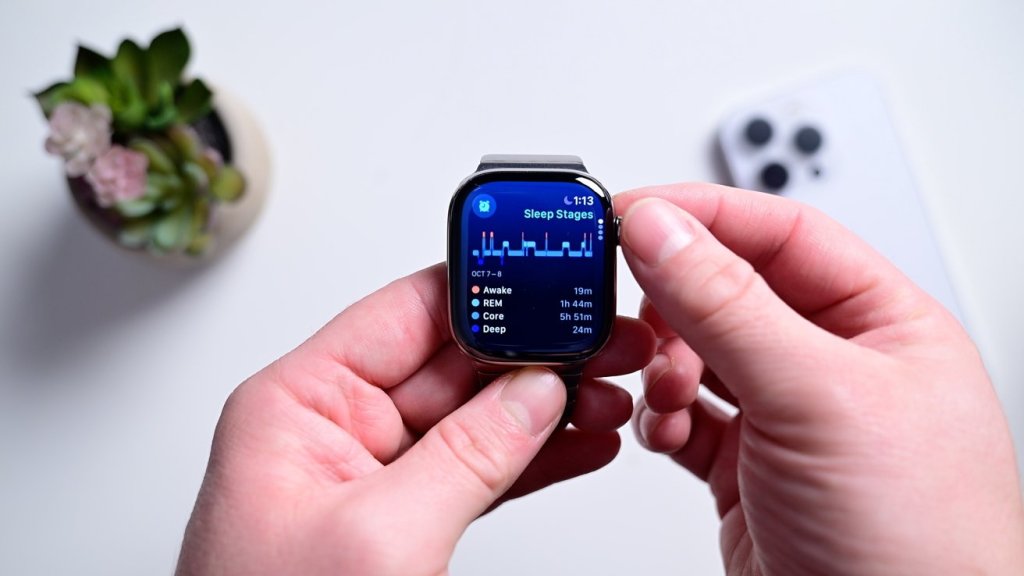
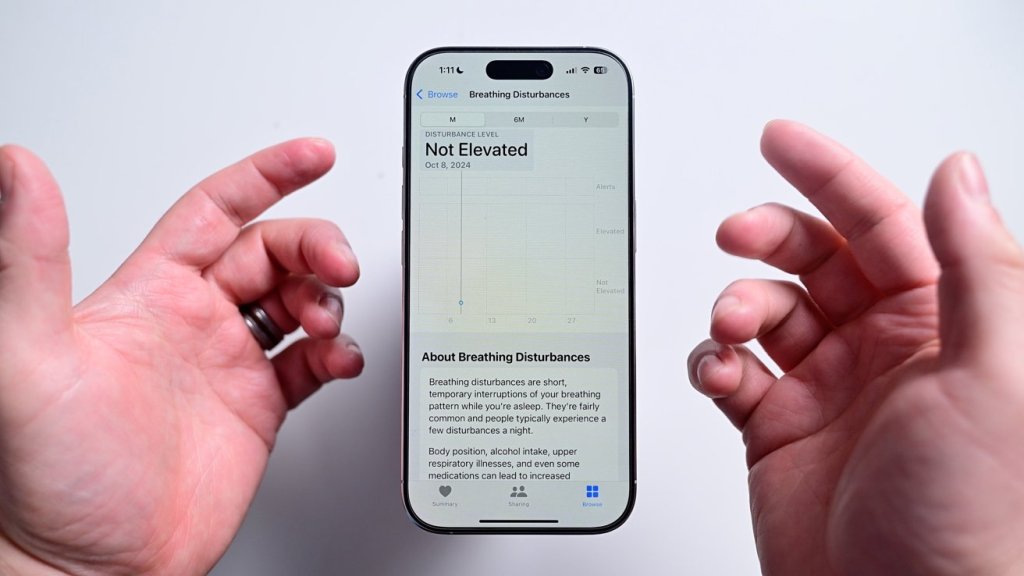
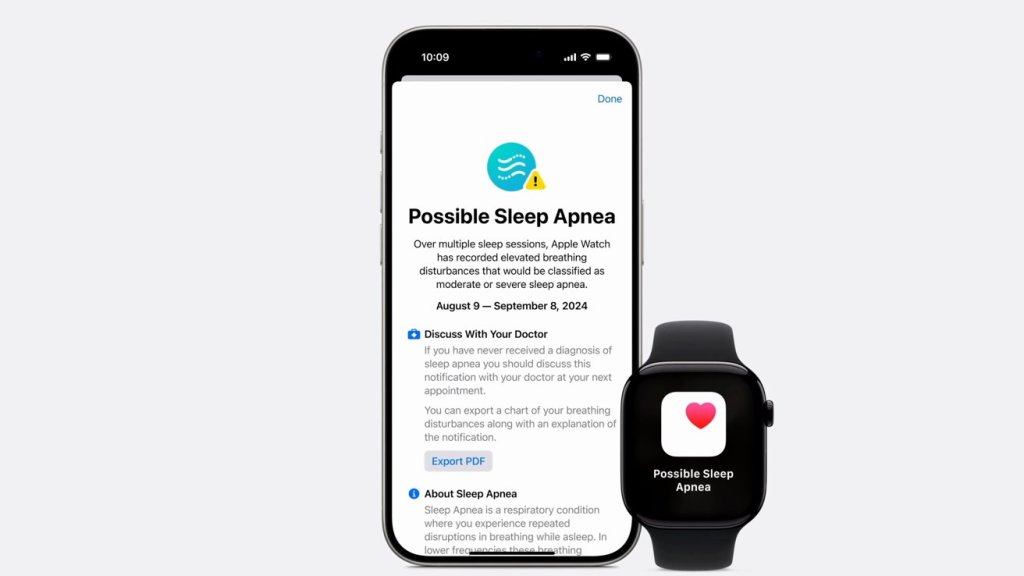
How to detect sleep apnea with Apple Watch

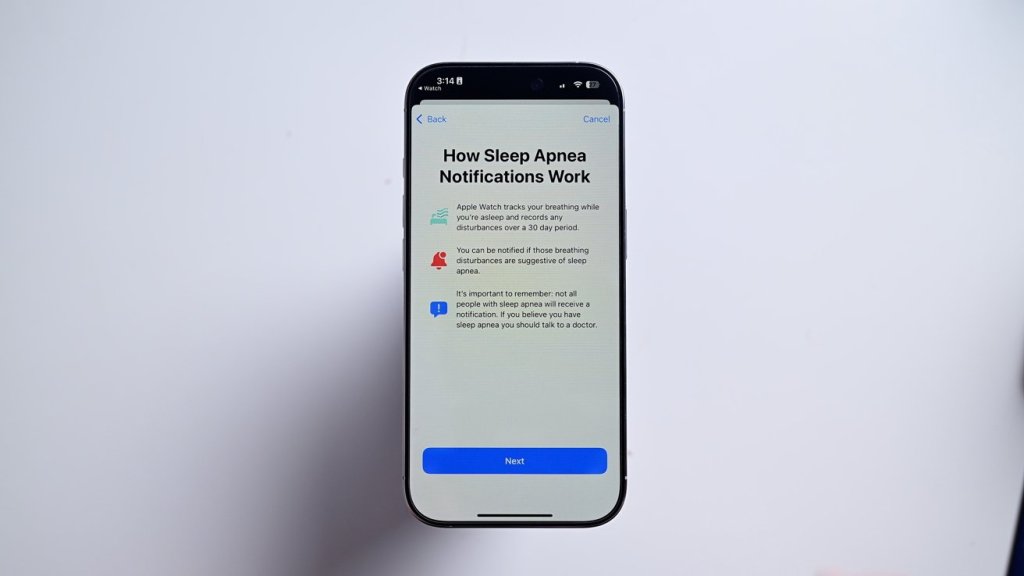
It’s quick and easy to set up sleep apnea detection. It is done from your iPhone.

• Open the Health app on your iPhone

• Go to Browse and search for “breathing disturbances”

• The first time you’ll see a button at the top that says “set up”

• Answer a couple qualifying questions and hit continue

• The app gives you a brief explainer, after which you can hit next

Viewing your sleep apnea results

As soon as your first night you’ll see your results reflected in the Health app. If it detects an elevated level of breathing disturbances, it will proactively send you an alert.

If you want to view the data for yourself, you can open the Health app once more and navigate back to breathing disturbances. It will show each night’s results on a graph on a scale from not elevated to elevated. You can view it for each night or over time. To be clear, if a positive detection is triggered, it’s not diagnosing you with anything. The data can be exported and shared with your health care provider where they can make a further diagnosis.

https://appleinsider.com/inside/apple-watch/tips/how-to-detect-sleep-apnea-with-apple-watch

Mounjaro for Sleep Apnea

Among persons with moderate-to-severe obstructive sleep apnea and obesity, tirzepatide (Mounjaro, Zepbound) reduced the AHI, body weight, hypoxic burden, hsCRP concentration, and systolic blood pressure and improved sleep-related patient-reported outcomes.