Yet another reason to lose weight 🧐
“People with higher amounts of visceral abdominal fat in midlife may be at increased risk of Alzheimer’s disease”


Yet another reason to lose weight 🧐
“People with higher amounts of visceral abdominal fat in midlife may be at increased risk of Alzheimer’s disease”
This is a revolutionary development for cardiac disease (and probably stroke too!)
“A single dose of Eli Lilly & Co.’s experimental drug cut a risk factor that signals heart disease by 94% for almost a year, a first-in-human study found.
Lilly’s lepodisiran, given at the highest dose, reduced a heart disease-linked protein to undetectable levels for 48 weeks. The research raises hopes that an annual vaccine-like shot could eliminate lipoprotein (a) in people whose genes put them at high risk, said Steve Nissen, a cardiologist at the Cleveland Clinic in Ohio who led the study.”
We now have not only COVID but also Flu and RSV. Here are some steps which may help you avoid getting ill and spending more time with your family (that’s if you want to!)
Steps to consider:
Contagious Period from Symptom Onset
Treatment
https://yourlocalepidemiologist.substack.com/p/its-the-holiday-season-here-are-simple

Research Highlights:
See a CNMRI Neurologist if you’re having memory concerns.
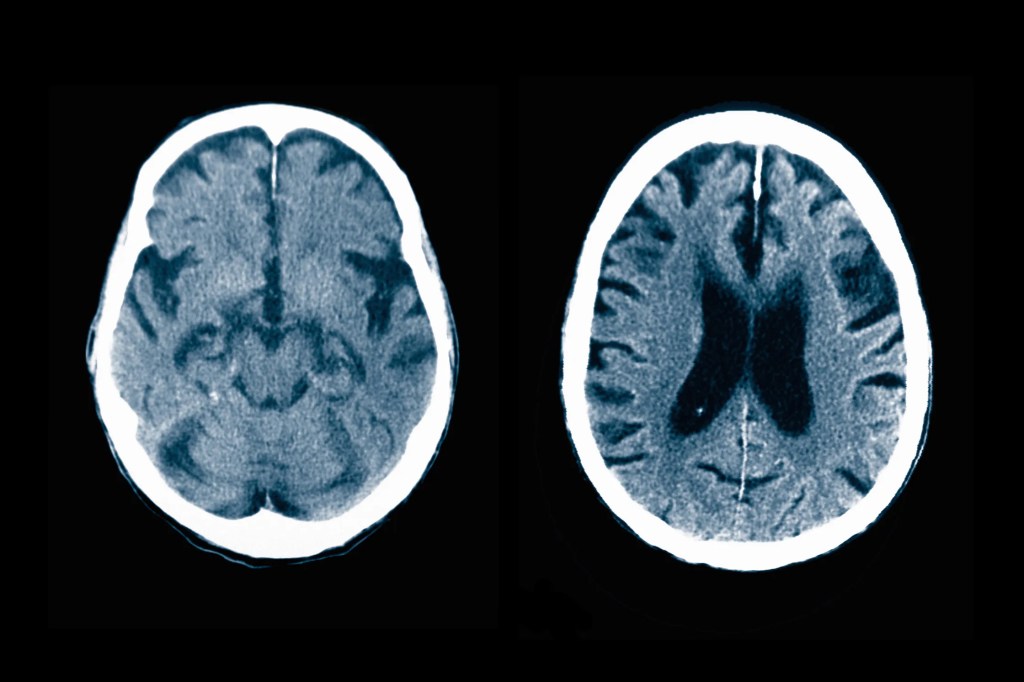
Millions of people over the age of 65 likely have mild cognitive impairment, or MCI—minor problems with memory or decisionmaking that can, over time, turn into dementia. But a pair of recent studies both concluded that 92 percent of people experiencing MCI in the United States are not getting diagnosed at an early stage, preventing them from accessing new Alzheimer’s treatments that may be able to slow cognitive decline if it’s caught soon enough.
https://www.wired.com/story/nearly-everyone-with-mild-cognitive-impairment-goes-undiagnosed/
The study found that people who practiced a simplified form of tai chi called Tai Ji Quan twice a week for about six months improved their score by 1.5 points. This increase may not sound like a lot, but study author Dr. Elizabeth Eckstrom says “you’ve basically given yourself three extra years” of staving off decline. The study is published in Annals of Internal Medicine.
A person with mild cognitive decline can expect to lose, on average, about a half point each year on the test, and once their score drops under 18, people experience quite a bit of impairment from memory loss and cognitive decline, Eckstrom explains.
So, based on these results, “if you’re able to keep doing [tai chi] two or three days a week on a routine basis, you’re going to get extra years before you hit that decline into dementia,” she says.
“After setting out to pinpoint the minimum amount of movement needed to offset the harms of our sedentary lives, Columbia University Medical Center researchers found that five minutes of gentle walking every half an hour does the trick.”
https://apple.news/AtphLTZHoRDy_rw0xp8O-BQ

“A recent study looking at sleep and longevity found that sleep “regularity”—going to bed and waking up at consistent times with few mid-slumber interruptions—matters more than how long you sleep. Sleeping six hours every night on a consistent schedule was associated with a lower risk of early death than sleeping eight hours with very irregular habits.
The study adds to a growing understanding of the links between sleep and longevity. Research in recent years has shown not only how important sleep is for health and lifespan, but also that the duration of sleep isn’t the only thing that matters.”
https://apple.news/A4A2DDlHuRE-VmYWV0pngRg

“Propublica’s Claim File Helper lets you customize a letter requesting the notes and documents your insurer used when deciding to deny you coverage. Get your claim file before submitting an appeal.”

Neurologist see patients every week with episodic pain and numbness in the hands. Many of these patients have carpal tunnel syndrome. Contact our office if you have these symptoms and need help.
“Carpal tunnel syndrome…remains prevalent, affecting 1 to 5 percent of the overall population. The condition is associated with multiple health conditions unrelated to the workplace, including diabetes, age, hypothyroidism, obesity, arthritis, and pregnancy. In general, keyboards are no longer thought to be a major threat, but the hazards of repetitive work were always very real.”
https://www.theatlantic.com/technology/archive/2023/10/carpal-tunnel-syndrome-prevalence/675803/
 CNMRI: Neurology, Sleep Medicine, MRI