There’s growing evidence that GLP-1 drugs, which include Ozempic, Mounjaro (Dr Varipapa’s favorite), Zepbound and Wegovy, may benefit the brain.
Semaglutide, the active ingredient in Ozempic and Wegovy, appeared to reduce the risk of Alzheimer’s disease in people with Type 2 diabetes, according to a study published Thursday in the journal Alzheimer’s & Dementia.
The study adds to evidence that GLP-1 drugs — the class of medications that also includes Mounjaro and Zepbound — may benefit the brain.
A quick shake of the head after a hard hit could signal that a person has a concussion, a new study suggests, based on the experiences of young athletes.
It’s an easily recognizable movement that could help significantly reduce the number of concussions that go undiagnosed if added to official evaluation guidelines, according to researchers from Mass General Brigham and the Concussion Legacy Foundation.
“We describe it in detail as a time that after a hit to the head, someone laterally shakes their head at a speed between two and eight Hertz. But that’s complicated medical terminology for something we’ve all seen,” said Dr. Dan Daneshvar, a study co-author and co-chair of sports concussion at Mass General Brigham.
Cartoons often depict a circle of birds that fly away after the character shakes their head, for example.
“There’s such a strong lay understanding of this being associated with concussions,” he said, but it’s not included in guidelines or medical literature.
A non-deceptive placebo injection reduced chronic back pain with effect size similar to typical treatments.
Secondary outcome benefits and brain changes lasted up to 1 year.
A single saline injection, openly prescribed as a placebo, yielded approximately 1 month of chronic back pain improvement, along with longer-term benefits in depression and sleep, according to data published in JAMA Network Open.
“We have known that placebos can be powerful pain relievers, but it has been unclear how to use them ethically, without patient deception,” Yoni K. Ashar, PhD, assistant professor at the University of Colorado Anschutz Medical Campus, told Healio. “This spurred the development of the ‘open label,’ non-deceptive placebo treatment, which we studied here.”
PS: Not available yet but assume soon (for lots of money!)
Vyalev (foscarbidopa and foslevodopa; AbbVie, North Chicago, IL) has been granted Food and Drug Administration (FDA) approval for the treatment of motor fluctuations in adults with advanced Parkinson disease (PD). Vyalev is the first subcutaneous 24-hour continuous infusion of levodopa-based therapy to receive FDA approval for the treatment of motor fluctuations in this population. Treatment with Vyalev is initiated in a health care provider office, and the medication is delivered by a wearable pump for up to 24 hours per day. This method of administration enables patients to manage treatment at home without traveling to receive their infusion.
Delaware Department of Insurance Medicare Assistance Bureau
As Medicare Open Enrollment approaches, the Delaware Department of Insurance and its Medicare Assistance Bureau (DMAB) are sharing their annual consumer information update. From October 15 to December 7, consumers can join, switch, or drop a Medicare Prescription Drug Plan (Part D) or Medicare Advantage Plan. DMAB’s free, confidential, unbiased one-on-one assistance can help residents determine if making a coverage change is the right choice. In 2023, the team completed 5,207 counseling sessions, saving beneficiaries a combined $3.8 million.
When selecting 2025 coverage, there are important new options and changes to keep in mind. The Medicare Prescription Payment Plan is a new payment option that works with a beneficiary’s current drug coverage to help manage out of-pocket Medicare Part D drug costs by spreading them across the calendar year. Starting in 2025, anyone with a Medicare drug plan or Medicare health plan with drug coverage (like a Medicare Advantage Plan with drug coverage) can voluntarily use this payment option. If this payment option is selected, consumers will continue to pay their plan premium (if they have one) each month and will get a bill from the health or drug plan to pay for the prescription drugs instead of paying the pharmacy. There’s no cost to participate in the Medicare Prescription Payment Plan.
Additionally, in 2025 Part D enrollees’ out-of-pocket drug costs will be capped at $2,000. This amount will be indexed to rise each year after 2025 at the rate of growth in per capita Part D costs.
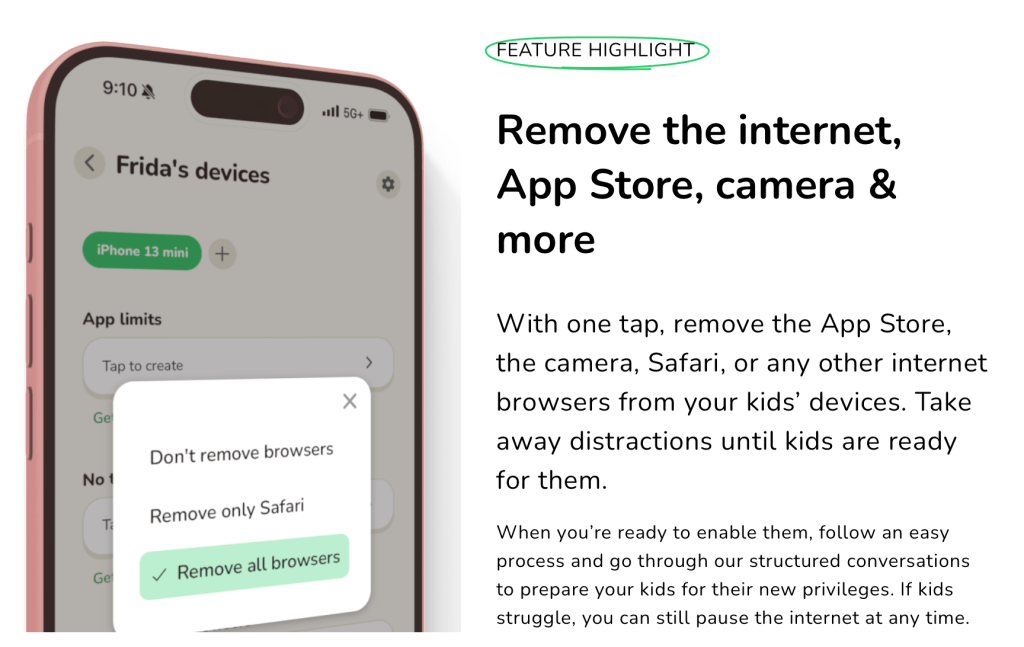
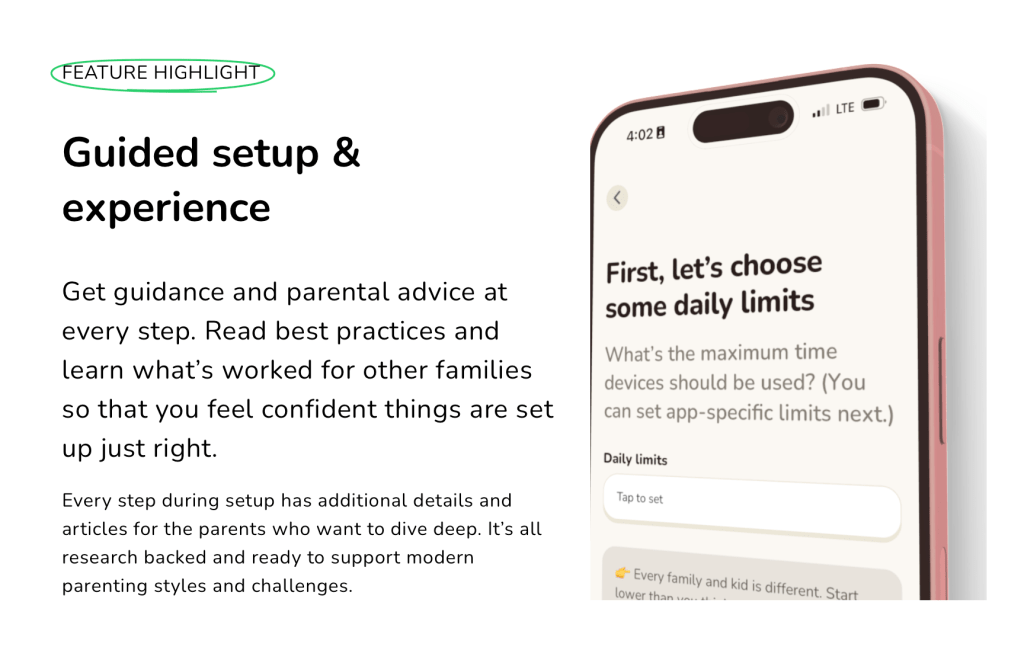
Screenable turns any iPhone or iPad into a starter phone that removes distractions, keeps you in the loop, and grows with your kid. Built for busy, modern parents.
Parenting has changed. Parental controls haven’t.
In the more than 30 years they’ve been around, parental controls have been blocking kids from doing things in apps and on devices. But they’re not working anymore – for parents or kids. And that’s a problem.
This fall marks the second year that we’ve had Respiratory Syncytial Virus (RSV) vaccines to offer older adults. Chances are you have received one, are eligible to receive one, or have older family/friends who qualify but are wondering what to do. I’ve been fielding lots of questions about the RSV vaccines from patients over the past several weeks… and this year we have more evidence-based answers than last year.
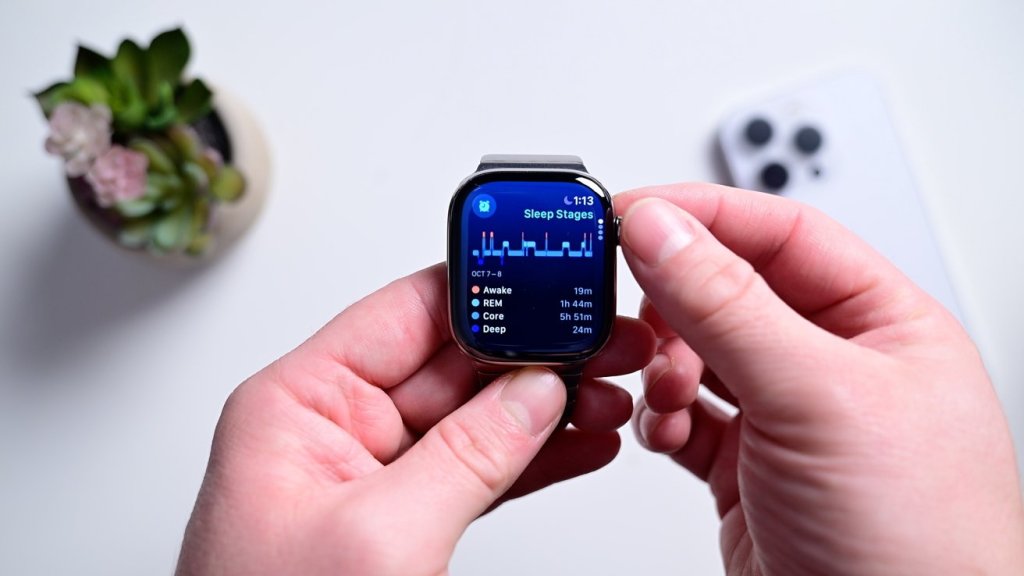
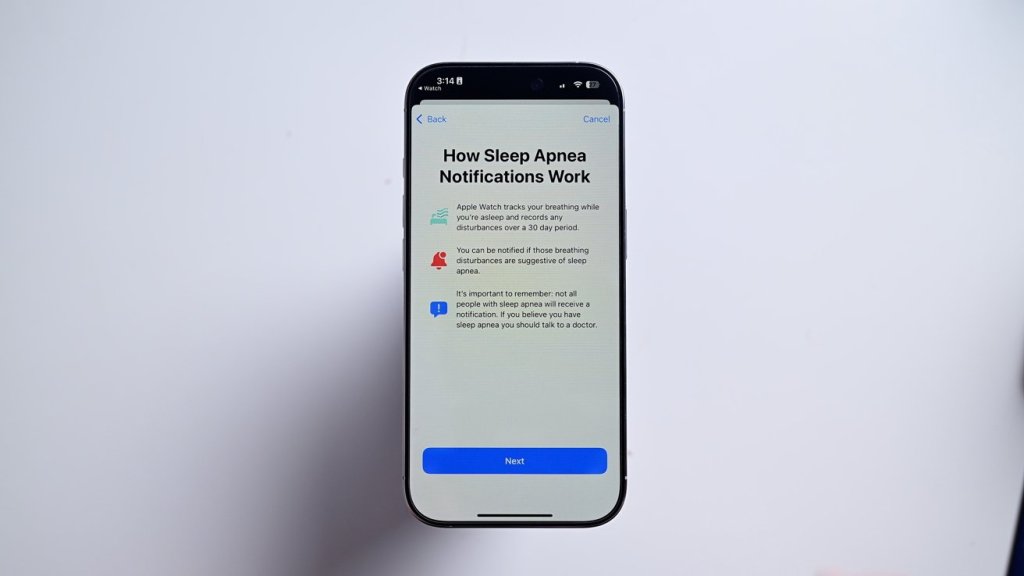
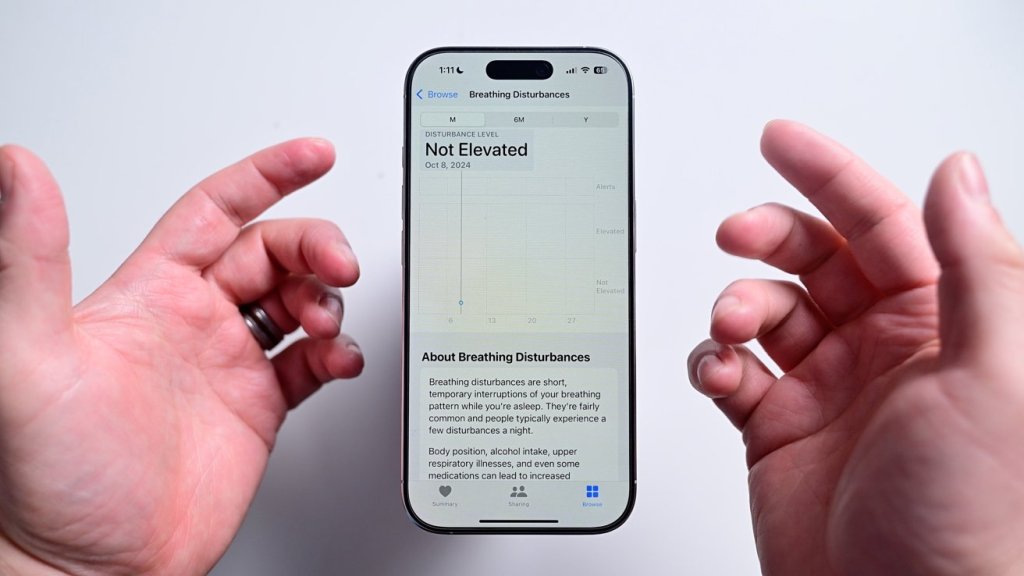
It’s quick and easy to set up sleep apnea detection. It is done from your iPhone.
• Open the Health app on your iPhone
• Go to Browse and search for “breathing disturbances”
• The first time you’ll see a button at the top that says “set up”
• Answer a couple qualifying questions and hit continue
• The app gives you a brief explainer, after which you can hit next
Viewing your sleep apnea results
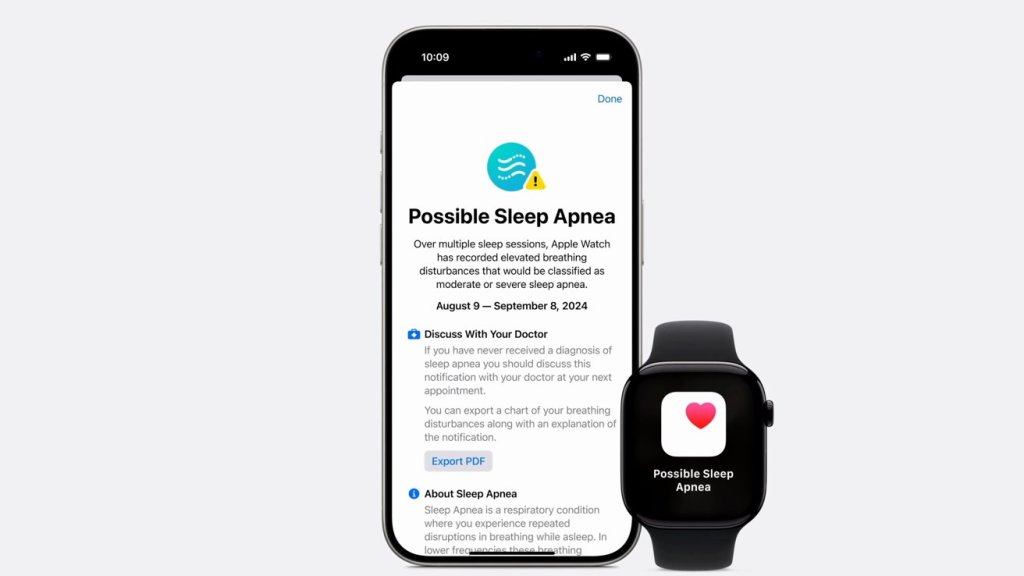
As soon as your first night you’ll see your results reflected in the Health app. If it detects an elevated level of breathing disturbances, it will proactively send you an alert.
If you want to view the data for yourself, you can open the Health app once more and navigate back to breathing disturbances. It will show each night’s results on a graph on a scale from not elevated to elevated. You can view it for each night or over time. To be clear, if a positive detection is triggered, it’s not diagnosing you with anything. The data can be exported and shared with your health care provider where they can make a further diagnosis.
Scientists have found that human beings age at a molecular level in two accelerated bursts – first at the age of 44, and then again at 60.
In a study published in the journal Nature Aging, scientists at Stanford University and Nanyang Technological University in Singapore followed 108 participants over several years to observe aging changes in their molecules — RNA, proteins and participants’ microbiomes.
The scientists found that human aging does not happen in a gradual, linear way. Rather, the majority of the molecules they studied showed accelerated, non-linear changes at the ages of 44 and 60.
Stroke is preventable by monitoring and controlling blood pressure, cholesterol, diabetes, not smoking, limiting alcohol and engaging in an exercise program.
After dropping in the early 2000s, the overall proportion of people in the U.S. who had survived a stroke rose by 7.8 percent from 2011 to 2022, the U.S. Centers for Disease Control and Prevention reported in May. While strokes typically happen in older people, another CDC report from August found deaths from stroke among Americans aged 45-64 had increased 7 percent from 2013 to 2019—and then risen an additional 12 percent through 2021.
A new study in the Lancet Neurology reveals more people worldwide are surviving after a stroke, with no increases and even some decreases in strokes among adults over 70—but increases in strokes in younger adults, particularly those under 55.
“It’s important to know that stroke can happen at any age,” says Omoye Imoisili, an internal medicine doctor and the lead author of the May CDC study.