“Curbing addiction isn’t the only potential extra benefit of GLP-1 drugs.
Mounjaro Zepbound Ozempic Wegovy
Other studies have suggested they can reduce the risk of death, strokes and heart attacks for people with cardiovascular disease or chronic kidney ailments, ease sleep apnea symptoms and even slow the development of Parkinson’s disease. There are now hundreds of clinical trials testing the drugs for these conditions and others as varied as fatty liver disease, Alzheimer’s disease, cognitive dysfunction and HIV complications.”
MIGRAINE ATTACKS ARE no ordinary headache. They can cause intense pain and sickness, lasting hours or even days, making it impossible to do anything but rest in a dark, quiet room. And for millions of women, these debilitating attacks aren’t just an occasional experience but a recurring ordeal.
Women suffer from migraines three times as often as men, with episodes that are more prolonged and intense. “It’s far more common than most people realize,” says Anne MacGregor, a specialist in headache and women’s health. Despite various treatment options, migraines remain the leading cause of disability-adjusted life years (DALYs)—a measure of disease burden that accounts for time lost to ill health—for women between the ages of 15 and 49. While there’s still some mystery around how migraines work, one reason for this sex difference is hormones.
—Young, healthy individuals with mild cases had objective cognitive deficits at 1-year that they did not perceive
—Older, hospitalized adults with severe Covid had an equivalent of 20 years of decline in cognitive performance at 1-year follow-up
—A nasal vaccine (2 doses) blocked infections for at least 3 months and was effective across 10 different variants
—Reinfections increase the risk of LongCovid
—mRNA shots don’t induce long-lived plasma cells, but we don’t know if this is true with other vaccine platforms
The potential of a Covid hit to the brain, affecting cognitive function, has been clearly reinforced by the 2 new studies, with the whole spectrum of mild cases among healthy, young, people to older, severe Covid hospitalized patients.
Ocrevus should be available as a 10-minute injection starting in October
Swiss pharma giant Roche won approval from the Food and Drug Administration on Friday for an injectable version of its blockbuster multiple sclerosis therapy Ocrevus, cutting down the time needed to treat patients and potentially staving off growing competition.
The approval was driven by the results of a late-stage trial, OCARINA II, in which the company showed that delivering Ocrevus as a 10-minute injection beneath the skin worked as well as the current approach, an hours-long intravenous infusion.
David Jones, medical director at Roche subsidiary Genentech, told STAT that the injectable drug should be available starting in October. The announcement means multiple sclerosis patients will be able to get the treatment in neurologist’s offices and won’t need to travel to specialized infusion centers. The approval could also help Roche fend off competing multiple sclerosis products from Novartis and TG Therapeutics.
Ocrevus is approved to treat relapsing and primary progressive forms of multiple sclerosis, an autoimmune disease that damages nerve fibers throughout the brain and spinal cord. The drug is an antibody that latches onto CD20, a molecule made by B cells, a type of immune cell. It’s Roche’s best-selling product, and brought in more than $7 billion in sales last year.
Patients need two infusions a year, and each of those appointments can last up to six hours. To cut that time down, Roche partnered with Halozyme, a San Diego biotech focused on drug delivery. The company has developed a technology that breaks down sugar molecules in the skin so that intravenous drugs can be delivered as injections.
He sneezed in the shower and made a shocking discovery: “A great rush of relief”
“An Arizona resident has described the moment they realized they had been living for over 25 years with something entirely unexpected lodged up the nose.
It had started like any other normal day for Andi Norton, 32, from Phoenix. Every morning starts with a shower and a big blow of the nose.”
Volume: AirPods don’t help without turning the transparency volume way up. Even at max volume, I could have used some more boost.
Clarity: I was impressed with the sound quality and clarity. AirPods are powerful, and they did a great job picking up voices and cutting background noise. I went back and forth between my premium hearing aids and my AirPods, with comparable speech clarity and noise reduction.
Comfort: AirPods aren’t comfortable enough to wear all day, but they are fine for a few hours. I’ll continue to wear my behind-the-ear style hearing aids day to day.
Form factor: I loved the flexibility of a great earbud with noise cancelation and volume boost during travel, but I won’t be wearing my AirPods to dinner with friends anytime soon. The social dynamics would be confusing.
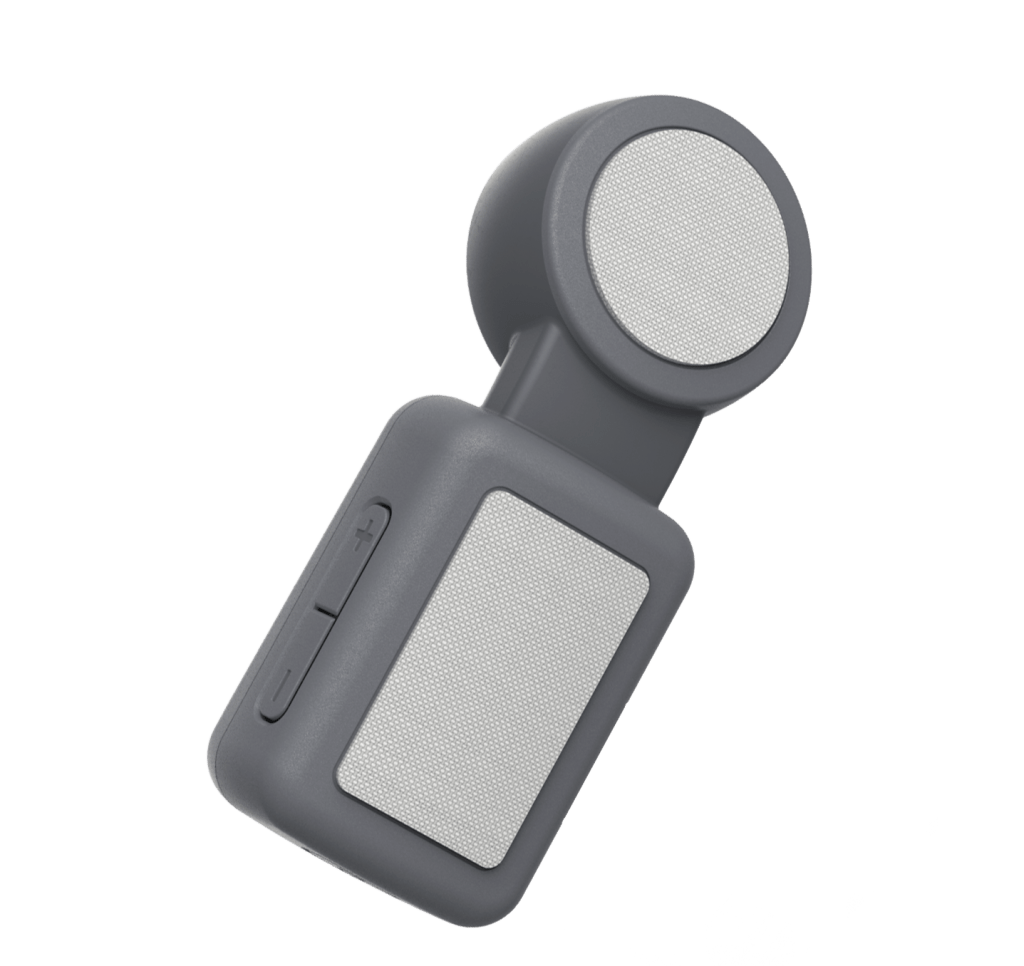
Otolith’s device is a wearable medical device with FDA Breakthrough Designation. Utilizing our non-invasive Vestibular Resonance Therapy or nVRT technology — the Otolith device provides precision signals that may reduce the symptoms of chronic vertigo, allowing users to maintain tasks of daily living.
Online and off, so-called sleepmaxxers are going to extreme lengths in pursuit of better sleep. Is that a problem?
Derek Antosiek considers himself something of a sleep connoisseur. He has applied tape to his mouth, propped his nostrils open with dilators and sealed his ears with plugs. He has tried out a fan that pumped cool air under his sheets, and positioned separate mattresses for himself and his wife side by side so that her movements wouldn’t disturb him. He has tested light therapy lamps and air quality monitors and sleep trackers and blue light glasses.
With each new experiment, the goal was the same: getting closer to a perfect night’s sleep.
The U.S. Food and Drug Administration on Thursday authorized the Hearing Aid Feature, its first over-the-counter hearing aid software device that is intended to be used with the Apple AirPods Pro.
Why it matters: A hearing aid that’s built into a relatively inexpensive and easily accessible product that many people already own could help far more people get the hearing help they need.
How it works: The Hearing Aid Feature is set up using an iOS device, such as the iPhone, and the user’s hearing levels are accessed from the iOS HealthKit to customize it. Users can refine the volume, tone and balance settings after setting up the feature.